

250 Crore Cyber Fraud Case Uncovered: 53 Crore via Fake Firms
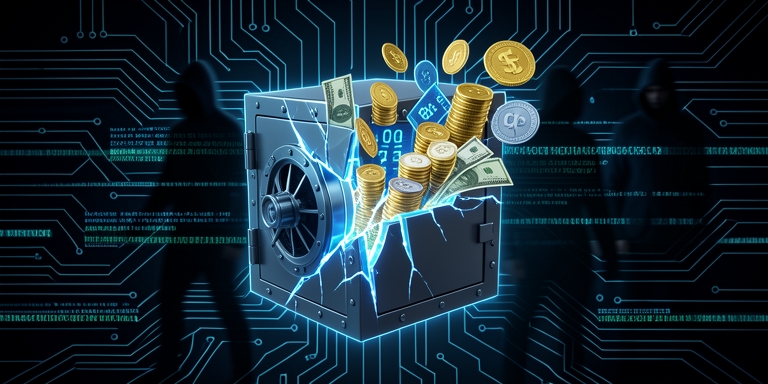
Investigators have detained Anchit Goyal, a scrap dealer from Agra, in connection with a suspected ₹250 crore cyber fraud operation under investigation in Kanpur, Uttar Pradesh.
Arrest of Anchit Goyal
Investigators have detained Anchit Goyal, a scrap dealer from Agra, in connection with a suspected ₹250 crore cyber fraud operation under investigation in Kanpur, Uttar Pradesh. The probe revealed that three allegedly fictitious entities linked to the suspect facilitated financial activities totaling approximately ₹53 crore between January 2025 and April 2026.
Role of Fake Entities
Authorities believe these entities were utilized to launder proceeds from cyber fraud, generate counterfeit Goods and Services Tax (GST) invoices to secure fraudulent Input Tax Credit (ITC) and income tax advantages, and obscure the origins of illicit funds.
International Connections
During the inquiry, officials identified that a portion of the allegedly stolen funds was transferred to the bank account of Jennifer Florence, a California resident. Investigators are assessing whether she had direct ties to the fraud network or if her account served as an intermediary for fund transfers.
Foreign Financial Activities
Authorities are reviewing international banking records and cross-border financial activities to evaluate the nature of the foreign connection. The current investigation originated from an earlier inquiry into a ₹125 crore cyber fraud case.
Expanding Investigation
Subsequent arrests and interrogations of two additional suspects indicated the network may have processed transactions totaling ₹250 crore. This revelation prompted investigators to broaden their scope and trace financial activities across multiple states.
Detentions and Evidence
Nine individuals have been detained and placed in judicial custody in relation to the suspected cyber fraud network. According to the investigation, Anchit Goyal allegedly connected with co-accused Rajveer Singh through his driver, Satish Pandey.
Technical and Financial Evidence
Earlier in the inquiry, authorities seized over 30 mobile phones and SIM cards from Satish Pandey. Investigators believe these devices were used to execute cyber fraud operations, manage bank accounts, and conceal the identities of participants.
Fake GST Invoices
The investigation suggests the suspects obtained fake GST invoices from scrap traders in Rajasthan, Uttar Pradesh, Madhya Pradesh, and Delhi. These invoices are suspected to have been used to claim tax benefits while disguising cyber fraud proceeds as legitimate business transactions.
BSF Personnel’s Daughter’s Account
A significant development involved the discovery of a bank account belonging to the daughter of a Border Security Force (BSF) personnel from Ghaziabad, which recorded transactions amounting to ₹45 crore over the past year. Investigators are evaluating the account’s role and whether it was used to move funds from the fraud operation.
Expert Analysis
According to Prof. Triveni Singh, a prominent cybercrime expert and former IPS officer, organized cybercriminals are increasingly employing shell companies, mule bank accounts, and fraudulent GST billing to legitimize illicit funds obtained through cyber fraud.
Call for Collaboration
He noted that such networks route money through multiple transaction layers, complicating efforts to trace ultimate beneficiaries. Singh stressed the importance of real-time collaboration among banks, GST authorities, financial intelligence agencies, and law enforcement to detect suspicious activities early and dismantle organized cybercrime networks.
Ongoing Probe
Investigators stated the probe remains active, with ongoing forensic analysis of digital evidence, banking records, GST documents, mobile data, and inter-state financial transactions. Authorities indicated that additional evidence linking more individuals, shell companies, or international financial ties could lead to further arrests and legal measures as the investigation progresses.

About Author








 English