

US Government Allows Private Firms to Hack Foreign Cybercriminal Networks
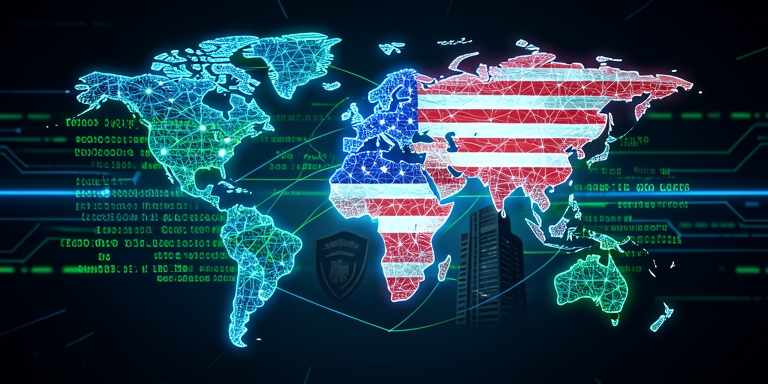
US Government Considers Authorizing Private Entities to Conduct Offensive Cyber Operations Against International Criminal Groups
US Government Considers Authorizing Private Entities to Conduct Offensive Cyber Operations Against International Criminal Groups
The United States is exploring a policy that would permit select private organizations to carry out offensive cyber activities against foreign cybercriminal networks under official oversight. This initiative aims to address transnational criminal enterprises responsible for ransomware attacks, sextortion schemes, and large-scale financial fraud, which the administration estimates caused over $20 billion in damages to American interests in 2025. The proposed framework requires participating companies to secure government approval prior to operations and post a minimum bond of $1 million. Activities posing risks of physical harm or violating international law’s “use of force” thresholds would be explicitly prohibited.
Private Sector Authorized to Disrupt Criminal Infrastructure
Under the proposed guidelines, participating organizations could be granted authority to dismantle cybercriminal infrastructure, including shutting down servers and deploying surveillance tools to monitor hostile networks. This approach would expand the traditional role of cybersecurity firms beyond defensive measures to active intervention.
The administration has 60 days to finalize program details, though certain operational parameters may remain classified.
Experts Warn of Potential Escalation and Unintended Consequences
The plan has sparked debate among cybersecurity professionals. A University of Surrey professor highlighted concerns that granting such authority does not ensure compliance, citing historical privateering’s tendency to create more problems than it resolved. He warned that companies engaged in government-sanctioned hacking could lose their status as neutral entities, potentially making them targets themselves.
Risks identified include misidentification of targets, foreign legal actions, and diplomatic tensions arising from cross-border operations. A former cybersecurity official from the George W. Bush administration acknowledged the presence of legal safeguards but questioned the effectiveness of oversight mechanisms in preventing misuse.
Policy Represents Shift from Previous Administration Stance
This development marks a departure from the administration’s earlier stance. A senior official had previously stated the government had no interest in leveraging private actors for cybercrime prevention, while the National Cyber Director had also dismissed such an approach. The rationale for this abrupt policy reversal within five months remains unspecified.
While major technology firms already engage in cybersecurity efforts to protect their services, the new framework would enable authorized companies to conduct offensive operations under direct government authorization. The program would operate without judicial review, relying instead on executive branch supervision.
Microsoft has not commented on the proposal, while Google did not respond to requests for clarification. Supporters argue that enhanced offensive capabilities could disrupt criminal infrastructure and increase recovery rates for victims, but critics warn of potential legal, diplomatic, and cybersecurity risks if operations exceed intended targets.
The initiative raises complex questions about the balance between proactive defense and the unintended consequences of expanding offensive cyber operations into the private sector.

About Author









 English