

Why Verify Hospital Numbers Before Calling from Search Results
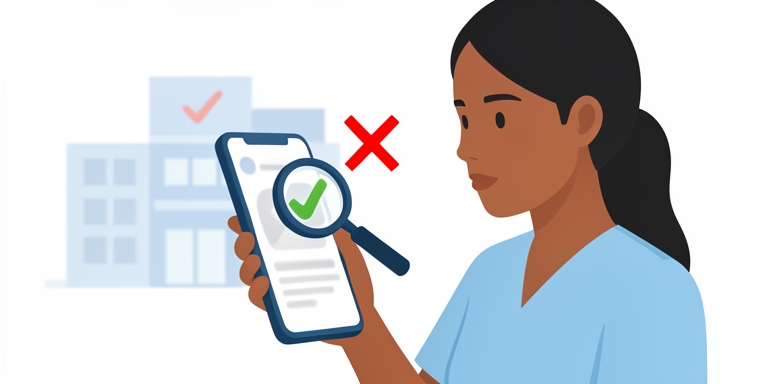
Why You Should Verify Hospital Numbers Before Calling From Search Results
The Incident in Indore
A woman in Indore reportedly lost approximately ₹1.20 lakh after interacting with a fraudulent phone number listed in online search results. The incident occurred on August 20 in the Pardeshipura police station jurisdiction, involving a scheme where cybercriminals used a deceptive payment link to extract financial information.
How the Fraud Unfolded
The victim attempted to schedule a medical appointment at Lilavati Hospital and searched for the institution’s contact details via a search engine. A number appearing in the results was used to initiate communication. The individual on the call claimed to be an appointment coordinator and requested a ₹5 payment to confirm the booking. The victim followed instructions, accessing a link provided and entering her debit card details.
Consequences and Response
Within 30 minutes, six unauthorized transactions totaling ₹1.20 lakh were processed from her account. Upon noticing the deductions, the victim notified her family, who immediately contacted the bank to freeze her card and associated financial services. Attempts to recontact the fraudulent number proved unsuccessful. The case was reported to the cybercrime helpline, prompting an investigation by local authorities.
Investigation and Expert Advice
Police are analyzing the mobile number used to reach the victim and the payment link that facilitated the data breach. Investigators are also tracing the financial flow to identify potential accounts or channels that may have received the stolen funds. The probe includes determining if the same number or link was used in prior incidents.
Cybersecurity Expert Warnings
Cybersecurity experts caution against relying solely on search engine results for critical contact information. Prof. Triveni Singh, a former IPS officer and cybersecurity specialist, emphasized that malicious actors frequently deploy fake helpline numbers to exploit public trust. He advised verifying hospital contact details through official websites or verified sources before engaging in any communication or payment processes.
Risks of Sharing Financial Data
Additionally, professionals highlighted the risks of sharing banking credentials with unverified parties. Even small payment requests can serve as a pretext for stealing sensitive data, such as card numbers, CVV codes, PINs, or one-time passwords.
Conclusion and Key Takeaways
The case underscores the increasing prevalence of deceptive tactics targeting individuals seeking essential services online. Authorities continue to examine digital evidence and banking records to reconstruct the sequence of events and identify those responsible for the fraud. The incident serves as a reminder of the importance of vigilance when handling financial transactions and verifying contact information through secure channels.
“Malicious actors frequently deploy fake helpline numbers to exploit public trust. Verify hospital contact details through official websites or verified sources before engaging in any communication or payment processes.”

About Author








 English