

Prevent AWS Console Private Access from Blocking Personal Account Sign-Ins
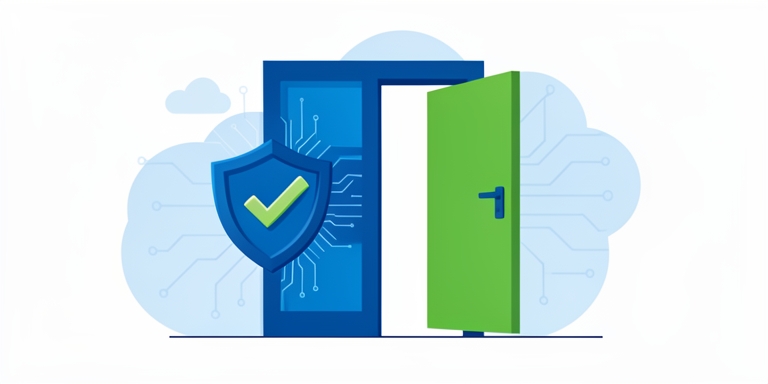
AWS has introduced a feature that ensures the Management Console operates within a network isolated from the public internet.
Introduction to Console Private Access
AWS has introduced a feature that ensures the Management Console operates within a network isolated from the public internet. This capability, known as Console Private Access, became generally available on August 28 for virtual private clouds (VPCs) that lack any internet connectivity. All authentication processes, along with JavaScript, CSS, and image assets required to render the console, as well as console-specific APIs and service API requests for compatible consoles, are transmitted through PrivateLink endpoints. This eliminates the need for internet gateways, NAT gateways, or proxy allowlists.
Implementation Requirements
The feature addresses a long-standing challenge for organizations in regulated environments, where operators previously had to choose between exposing their network to external traffic or relying on command-line tools for console interactions. To implement Console Private Access, three interface endpoints per region are required: one for the console itself, one for sign-in operations, and one for console-only APIs. The third endpoint is mandatory only for VPCs with no internet access. Private DNS configurations must resolve console domains to these endpoints, and endpoint security groups must permit HTTPS traffic from workload subnets to avoid silent connection failures.
Verification and Security Measures
Verification of successful implementation includes a lock icon in the console navigation bar and CloudTrail ConsoleLogin events. Endpoint policies leveraging aws:PrincipalOrgID and aws:ResourceOrgID controls restrict which identities can access the console from a given network and limit the resources those sessions can interact with. Additional sign-in resource control policies block authentication attempts originating from untrusted networks, preventing unauthorized access to personal accounts via corporate infrastructure.
Limitations and Considerations
Despite its benefits, the feature has limitations. IAM Identity Center sign-in processes still rely on public internet connections, and only a subset of service consoles support PrivateLink. Each service requires its own endpoint, and missing endpoints can result in incomplete console functionality, such as empty panels or unresponsive pages. Consoles for unsupported services fail to load entirely in no-internet VPCs.
Costs and Best Practices
Costs associated with Console Private Access are billed at standard PrivateLink rates per region. Misconfigured sign-in policies risk locking entire organizations out of the console, necessitating the setup of excluded break-glass roles before enforcing policies. Command-line interface (CLI) and software development kit (SDK) requests signed with SigV4 remain unaffected, providing an alternative access path. The implementation underscores AWS’s focus on securing cloud environments while balancing operational flexibility. Organizations must carefully evaluate their infrastructure requirements and ensure compatibility with supported services before deployment.

About Author








 English