

Ahmedabad Traffic E-Memo Scam: How It Works
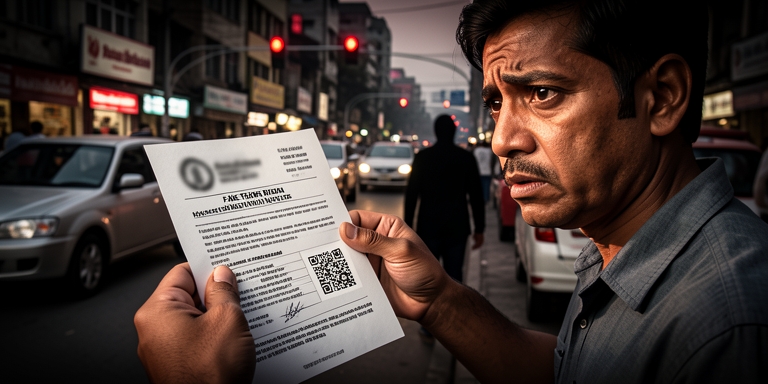
Two entrepreneurs in Ahmedabad fell victim to a cyber fraud scheme involving deceptive traffic-related messages, resulting in combined financial losses of ₹6.79 lakh.
How Did The Isanpur Businessman Lose ₹4.58 Lakh?
A 38-year-old entrepreneur operating Kunal Infotech in Isanpur received a message from an unknown number linked to vehicle registration GJ27AP6801, claiming a ₹1,000 traffic penalty. The communication included a hyperlink purporting to address the alleged violation. While the individual did not proceed with a payment, their mobile device began receiving repeated one-time passwords (OTPs) from multiple numbers. Later that evening, the victim noticed unauthorized transactions on their bank account, with six withdrawals totaling ₹4.58 lakh.
What Happened After The Fraud Was Detected?
Upon realizing the breach, the affected individual immediately powered off their phone and contacted the 1930 cybercrime helpline. A formal complaint was then submitted to the Isanpur police station, initiating an official investigation into the incident.
How Was A Baherampura Resident Duped Of ₹2.21 Lakh?
A 48-year-old resident of Baherampura received a message referencing an outstanding e-challan for their two-wheeler. The message included the vehicle’s registration number and a link associated with the alleged penalty. When the recipient accessed the link, a malicious application was installed on their device. The fraud was uncovered the following day after the victim received alerts about unauthorized transactions, revealing ₹2.21 lakh withdrawn through multiple transfers.
How Did The Fraudsters Gain Access To The Bank Account?
The malicious application granted cybercriminals control over the victim’s mobile phone, enabling them to intercept SMS messages and extract sensitive data. This access facilitated the retrieval of banking credentials and OTPs, allowing the perpetrators to execute unapproved financial transactions.
How Does The Fake E-Memo Scam Work?
The scheme begins with a message mimicking official traffic enforcement communications. Fraudsters use legitimate vehicle registration numbers to create a sense of urgency, claiming unpaid fines ranging from ₹500 to ₹1,000. The message includes a link that redirects victims to a fraudulent portal. Instead of processing payments, the link triggers the installation of malware designed to compromise device security. Once installed, the application can access SMS data, banking apps, and other critical information, enabling criminals to conduct transactions covertly.
What Should Vehicle Owners Do After Receiving Such Messages?
Cybersecurity professionals advise vehicle owners to exercise caution when encountering traffic-related alerts from unknown sources. Avoid clicking on suspicious links or downloading applications from unverified messages. If a notification appears questionable, users should independently verify its legitimacy through official channels, such as contacting local traffic authorities or bank representatives. In cases of suspected fraud, immediate action includes disconnecting the device from networks, contacting cybercrime helplines, and filing formal complaints with law enforcement.

About Author






 English