

Scammers Target You at These Times: When to Avoid Text Messages
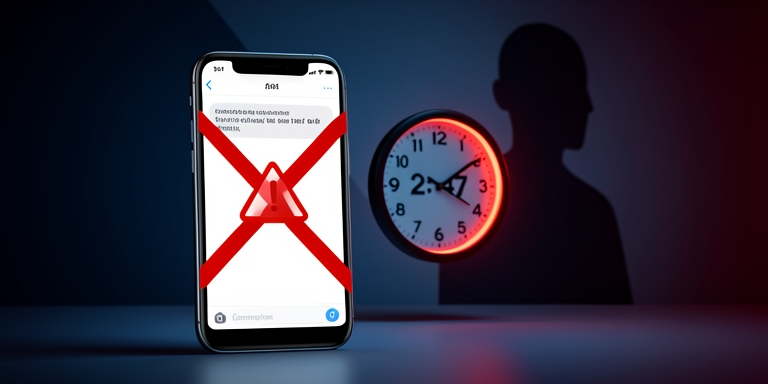
Scammers have identified optimal times for initiating SMS-based attacks, according to research analyzing threat patterns from April 15 to July 14, 2026.
Scammers have identified optimal times for initiating SMS-based attacks, according to research analyzing threat patterns from April 15 to July 14, 2026.
Research Findings
Malwarebytes data reveals that cybercriminals strategically select platforms based on the nature of their schemes, with distinct channels showing higher success rates for specific fraud types. The analysis tracked over 20 scam categories, including tech support deception, sextortion, and job-related fraud.
Scam Categories and Delivery Methods
Researchers observed that the preferred delivery method often aligns with the scam’s content, such as job scams utilizing professional communication channels, romance scams leveraging social media platforms, and tech support fraud relying on phone calls.
Web as Primary Vector
The web remains the primary vector for scams, surpassing email and SMS. The company reported blocking approximately 500,000 phishing sites daily.
Impersonation of Public Figures
Jimmy Donaldson, widely recognized as MrBeast, emerged as the most frequently impersonated individual in scam campaigns, with his image appearing in 30% of impersonation attacks. These schemes ranged from cryptocurrency giveaways to fee-based transfer scams. Analysts noted that familiar figures reduce user skepticism, enhancing the credibility of fraudulent messages.
Peak Times and Weekly Trends
Scam activity peaks at 12:00 pm Eastern Time, with text volume surging 874% compared to the lowest hour at 1:00 am. The frequency of fraudulent texts increases throughout the week, reaching a 50% higher volume on Fridays than at the start of the week. This pattern indicates deliberate scheduling rather than random distribution.
Top Impersonated Brands
Malwarebytes user reports highlighted the top five impersonated brands as Google, Microsoft, Apple, Roblox, and Amazon, with Google’s name appearing twice as frequently as Amazon’s.
Gaming Platform Threats
Gaming platforms also face heightened threats, with Roblox, Steam, Discord, and Minecraft experiencing increased scam activity. Roblox-related fraud rose 15% between mid-June and mid-July, while Steam saw a 19% increase during the same period.
Conclusion
The findings suggest a growing specialization in scam operations, with attackers adapting tactics to specific platforms. Despite evolving methods, the core objective remains consistent: gaining trust to extract financial or personal information. The analysis underscores a shift toward targeted campaigns tailored to user behavior across digital ecosystems.
FAQs
What are the most common scam categories?
Common categories include tech support deception, sextortion, and job-related fraud.
Why do scammers target specific platforms?
Scammers align delivery methods with scam types, such as using professional channels for job scams or social media for romance scams.
How do impersonated figures increase scam success?
Familiar figures reduce user skepticism, making fraudulent messages appear more credible.

About Author






 English