

Chinese Hackers Impersonate AI Experts in Password Theft Scam: Cybersecurity Threat

Chinese hackers impersonated AI specialists to steal passwords from U.S. and Japanese officials involved in AI policy, according to a cybersecurity firm.
Overview of the Cybersecurity Threat
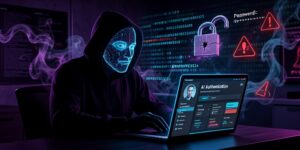
A cybersecurity firm has identified a campaign by a suspected Chinese hacking group targeting U.S. and Japanese officials involved in artificial intelligence policy, using impersonation tactics to extract login credentials. The operation, attributed to a threat actor known as TA419, involved deceptive emails purporting to originate from established AI experts, luring recipients to malicious websites designed to harvest passwords. The attacks, which began at least as early as 2025, focused on individuals affiliated with think tanks, defense contractors, academic institutions, and legal organizations.
Targeted Individuals and Tactics
The campaign relied on social engineering strategies, with attackers posing as authoritative figures in AI or international relations. Messages typically introduced collaborative initiatives or research opportunities before redirecting targets to phishing sites. Proofpoint, the cybersecurity company that uncovered the activity, linked the group to China through the malware deployed, the infrastructure used, and the nature of the targeted entities. These factors align with known Chinese intelligence priorities, according to the firm.
Proofpoint, the cybersecurity company that uncovered the activity, linked the group to China through the malware deployed, the infrastructure used, and the nature of the targeted entities. These factors align with known Chinese intelligence priorities, according to the firm.
Impersonation and Social Engineering
Among the individuals impersonated was Lynne Parker, a former senior advisor at the White House Office of Science and Technology Policy, and Alex Engler, a researcher at the Penn Center on Technology, Innovation, and Democracy. Engler received an email appearing to come from Parker, inviting him to participate in an AI policy project. Upon noticing inconsistencies, he verified the message’s authenticity with colleagues and determined it was fraudulent. Parker confirmed that she and another individual had received suspicious communications in early July.
Broader Implications
The attackers sought access to credentials of professionals engaged in AI governance, export control frameworks, and national technology strategy development. Proofpoint noted that fewer than 10 individuals across multiple organizations were targeted, suggesting a focus on intelligence gathering rather than direct technological theft. The campaign highlights the growing risk of policy experts becoming targets, as their insights into regulatory and strategic decisions hold significant value for foreign adversaries.
Conclusion and Recommendations
The operation centered on individuals with influence over AI policy debates, even if they did not directly handle classified systems. By leveraging trusted identities and plausible professional opportunities, the attackers aimed to build credibility and encourage recipients to input their login details on compromised sites. While the specific motivations behind individual targeting remain unclear, the broader pattern indicates an effort to monitor U.S. policymaking processes. The incident underscores the vulnerabilities within professional networks, where legitimate-seeming requests for collaboration can serve as vectors for credential theft. As AI policy becomes a focal point of geopolitical competition, such tactics are likely to persist, requiring heightened vigilance from organizations and individuals handling sensitive information.

About Author






 English