

AI-Powered Cyberattacks: Threats to Energy Infrastructure and Cybersecurity
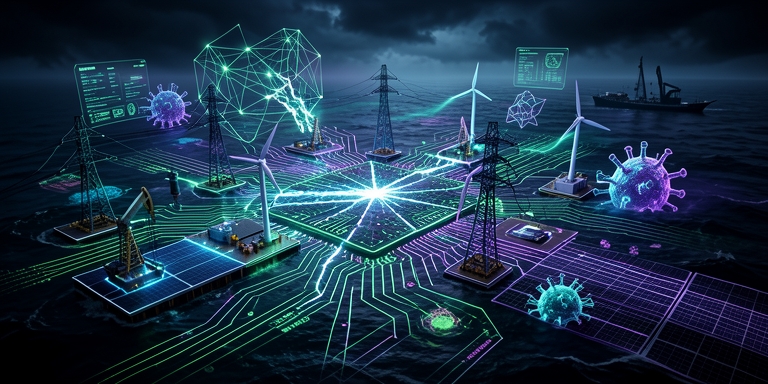
Energy sector organizations are encountering heightened cybersecurity threats as malicious actors leverage artificial intelligence to target essential infrastructure. The integration of digital systems into power generation, transmission, and distribution networks has expanded attack surfaces, prompting urgent calls for enhanced defensive measures.
AI’s Role in Simplifying Cyberattack Execution
Cybersecurity professionals note that AI is diminishing the complexity required to execute certain types of attacks. Threat actors employ AI-driven tools to process vast datasets, detect system weaknesses, and automate the creation of exploitation scripts. These technologies enable attackers to analyze operational technology (OT) communication protocols, facilitating more precise and efficient assaults on critical energy systems. Additionally, AI is being used to generate sophisticated social engineering content, improving the effectiveness of phishing campaigns targeting entities involved in energy operations.
Why Energy Infrastructure Is a Prime Target
The proliferation of internet-connected devices and digital management systems has increased the number of potential entry points for cyber threats. Energy providers rely extensively on technology for grid management, making cybersecurity a critical priority. Historical incidents involving energy sector organizations highlight the vulnerabilities of interconnected systems, with malicious groups increasingly prioritizing attacks on infrastructure that could disrupt essential services.
Challenges Faced by Smaller Utility Providers
While major energy companies have invested in robust cybersecurity frameworks, smaller utilities often struggle with resource constraints and outdated equipment. These organizations may lack the capacity to implement advanced security solutions, conduct continuous network monitoring, or rapidly address vulnerabilities. Legacy systems without modern security features pose additional risks, particularly when integrated into internet-based networks.
Strategies for Strengthening Cyber Defenses
Experts recommend that energy sector entities maintain comprehensive inventories of digital assets, deploy real-time network monitoring, and ensure timely application of security patches. Industry-wide adoption of standardized cybersecurity protocols is also emphasized to bolster protection for critical infrastructure. AI can aid defenders by automating vulnerability detection, prioritizing risks, and augmenting response capabilities.
Ongoing Cybersecurity Challenges
Maintaining resilience against cyber threats requires sustained effort, as attackers only need a single successful breach to cause disruption. Energy companies must regularly assess security measures, provide staff training, and refine defensive strategies to mitigate risks. The evolving nature of AI-driven attacks underscores the necessity of proactive and adaptive cybersecurity practices.
The420.in reported that Algoritha Security recently launched a ‘Make in India’ Cyber Lab aimed at enhancing cybersecurity education for academic institutions. This initiative highlights growing efforts to address the skills gap in the field. Recent research indicates that AI-enabled attacks are becoming more prevalent, with threat actors exploiting advancements in machine learning to automate and scale their operations. As energy infrastructure continues to digitize, the need for comprehensive security measures remains paramount.

About Author









 English