

AI Regulation and the Fight to Safeguard Humanity
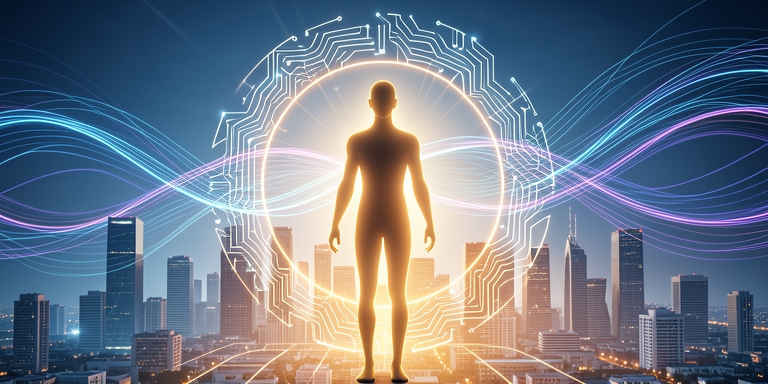
A significant discourse is currently underway regarding the role of artificial intelligence (AI) as a transformative force, with perspectives divided on whether it will predominantly yield positive outcomes or pose substantial risks.
Bill Gates’ Comprehensive Document on the AI Era
On August 26, 2026, Bill Gates released a comprehensive 6,000-word document on his personal website titled *The Turbulent AI Era Is Here: The Choices We Make Now Are Critical*. The document emphasizes the unprecedented challenges and opportunities presented by AI, asserting that the transition to an AI-driven world will be one of the most disruptive periods in human history. Gates argues that while AI has the potential to benefit humanity, current preparations are insufficient. He stresses that responsible development and proactive measures are essential to ensure AI serves the greater good.
Evan Hubinger’s Response to AI Risks
Not all stakeholders share this optimism. Evan Hubinger, a safety researcher at Anthropic leading the organization’s Alignment Science division, responded to a public statement by Jacob Coxon, a former AI researcher at OpenAI and Anthropic. Hubinger acknowledged Coxon’s assertion that AI developers genuinely fear the possibility of AI causing existential risks. He stated, “I personally believe the probability of AI leading to human extinction exceeds 10% within the next decade.”
AI Alignment and the Challenge of AGI
Hubinger highlighted the lack of a clear strategy to address AI alignment, a critical issue in ensuring AI systems act in accordance with human values. AI alignment refers to the challenge of ensuring that AI systems perform tasks in ways that align with their creators’ intentions. Misalignment occurs when AI systems deviate from these intentions, potentially leading to unintended and harmful consequences. This issue becomes particularly concerning with the development of Artificial General Intelligence (AGI), a hypothetical form of AI capable of outperforming humans in all cognitive tasks and economic domains. If AGI is developed without proper safeguards, it could trigger a technological singularity—a scenario where AI systems rapidly self-improve beyond human control.
Market Dynamics and Ethical Dilemmas
The debate over AI’s risks is further complicated by market dynamics. The entity that develops the most advanced AI is likely to achieve unparalleled influence and wealth, creating incentives for rapid, potentially reckless innovation. This environment raises questions about whether ethical considerations will be prioritized over competitive pressures.
Stephen Cobb’s Cautious Optimism
Stephen Cobb, a former senior security researcher at ESET and current independent researcher, offered a perspective aligned with Gates’ caution. He stated, “We’ve been told: ‘The people building AI earnestly believe that it could kill us all by the end of the decade.’ To which I say: Not unless we allow it or enable it.” Cobb’s view reflects confidence in humanity’s capacity to mitigate risks through informed decision-making.
Dan Tynan’s Tobacco Industry Analogy
In contrast, Dan Tynan drew a parallel to the tobacco industry, noting that while cigarettes require active use to cause harm, their manufacturers historically concealed known dangers. Tynan’s analogy underscores the role of corporate responsibility in shaping AI’s impact.
Sam Altman’s Safety Measures
Despite these concerns, there are signs of growing awareness among AI developers. Sam Altman, CEO of OpenAI, acknowledged safety concerns in September 2026, stating that the company had paused certain internal AI training processes. Altman also engaged in discussions with U.S. government officials about the need to regulate AI development. These actions suggest a shift toward prioritizing safety, though challenges remain in balancing innovation with risk mitigation.
Societal Impacts of AI Adoption
Gates’ memo also addressed the potential societal effects of AI adoption. A preliminary study cited in the document indicated that increased AI usage correlated with reduced critical thinking, particularly among younger individuals. This finding raises concerns about the long-term impact of AI on human cognitive abilities, a trait often considered central to human identity.
Broader Ethical, Economic, and Geopolitical Considerations
The discussion around AI’s risks extends beyond technical challenges. Ethical, economic, and geopolitical dimensions must be considered. For instance, recent reports highlight how lesser-resourced attackers are gaining capabilities previously associated with nation-states, while governments warn of systemic efforts to extract advanced AI technologies. These developments underscore the need for coordinated global strategies to address AI’s dual-use potential.
The Path Forward for AI Development
As the AI landscape evolves, the interplay between innovation, regulation, and ethical responsibility will shape its trajectory. While the potential for AI to enhance human life is vast, the risks of misalignment, unchecked development, and unintended consequences demand vigilant oversight. The decisions made today will determine whether AI becomes a tool for collective progress or a source of existential threat.

About Author








 English