

Augmenting Threat Intelligence Analysis with Agents
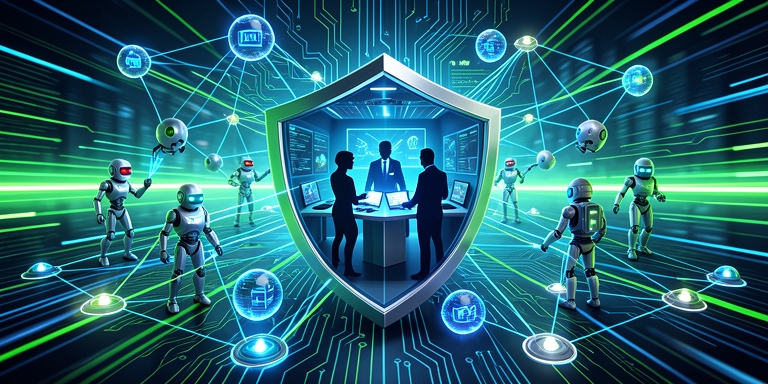
Various cybersecurity disciplines are integrating agents to streamline tasks and reduce manual efforts.
Integrating Autonomous Agents in Cybersecurity
A platform developed by Sai Kiran Uppu enables these agents to process external threat intelligence, assess internal infrastructure, and deliver prioritized alerts to security teams. This approach is critical for organizations managing vast data volumes and complex system environments.
Uppu’s Insights on Scalability and Cost
By monitoring evolving attack patterns and scanning internal networks for signs of intrusion, such systems can transition threat intelligence into proactive defense strategies. The discussion also highlights methods for involving developers in strengthening security posture. By enhancing visibility into application architectures and reinforcing designs against common vulnerabilities, teams can reduce attack surfaces.
AI-Driven Penetration Testing
Another segment focuses on securing AI agents against emerging threats. Ramin Farassat of Menlo Security discusses the risks of prompt injection, where malicious instructions embedded in data sources can manipulate AI systems. Menlo’s MARS solution isolates agent interactions in a sanitized environment, preventing unauthorized actions.
Securing AI Agents
Organizations handling large-scale data operations face significant challenges in managing threat intelligence effectively. The integration of autonomous agents offers a pathway to automate analysis, reduce human error, and enhance response times. However, balancing automation with cost management remains a critical consideration.
AI’s Role in Cybersecurity Evolution
As AI continues to reshape cybersecurity practices, solutions like those developed by Intruder and Menlo Security aim to address gaps in traditional defense mechanisms. The conversation also touches on the broader implications of AI for security workflows. By leveraging machine learning to identify patterns and predict threats, teams can shift from reactive to preventive strategies. This evolution requires collaboration across departments to align technical capabilities with organizational goals.
Conclusion: Proactive Measures and Continuous Improvement
As threats grow more sophisticated, the adoption of intelligent systems becomes essential for maintaining resilience. The integration of AI into threat intelligence and security operations represents a transformative shift. While challenges such as scalability and cost persist, advancements in agent-based platforms and AI-driven tools provide viable solutions. By focusing on proactive measures and continuous improvement, organizations can better defend against evolving cyber threats.

About Author




 English