

Avoid Customer Service Scams: How a Wrong Number Can Cost You Your Bank Account
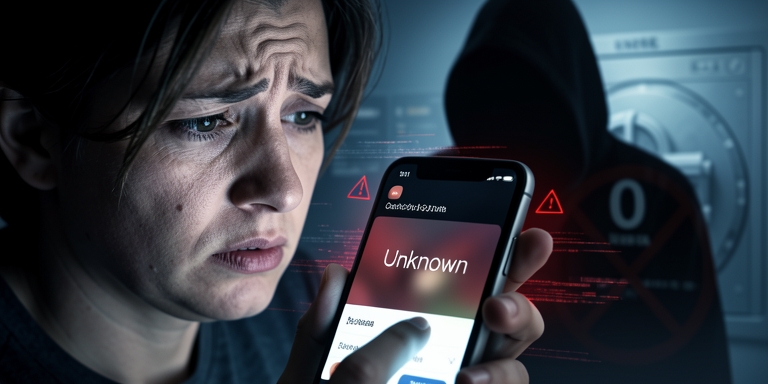
Kerala Police have issued alerts regarding an increase in cyber fraud schemes utilizing counterfeit customer service numbers for financial institutions and online retailers.
Mechanics of the Customer Service Fraud Scheme
The scam initiates with fraudsters publishing deceptive contact details for banks or e-commerce platforms on public forums, websites, or search engine results. Individuals encountering issues with financial services may search for support numbers and inadvertently reach malicious actors. The perpetrator then impersonates a legitimate customer service representative, offering to resolve the user’s issue. Initial interactions often mimic standard support procedures, making it challenging for victims to detect the deception.
Risks Posed by Remote Access Tools
Once contact is established, scammers may request victims to download remote access or screen-sharing applications, falsely claiming these tools are necessary to address the problem. Such software grants attackers access to personal data, including banking credentials and sensitive device information. Police have explicitly warned against installing unverified applications on the instruction of unknown callers. Additionally, users must avoid sharing one-time passwords (OTPs), PINs, account numbers, or card details with individuals posing as support staff.
Small Payments as a Deceptive Tactic
Another method involves coercing victims into making minimal transactions, such as Rs 5, under the guise of verification or registration fees. Law enforcement highlights that these small payments often serve as a precursor to larger financial theft, as attackers use the interaction to extract additional personal or banking information. Authorities stress that even low-value requests from unverified sources should be treated with caution, as they may indicate a broader fraud operation.
Identifying and Avoiding Fraudulent Contacts
Users are advised to remain vigilant if a supposed support agent requests software installation, demands confidential financial data, or asks for payments. Official guidelines recommend never sharing OTPs, passwords, or card details with unsolicited callers. Verification of customer service details must occur through the organization’s verified website or mobile application. If a call raises suspicion, the conversation should be terminated immediately, and the institution contacted through verified contact methods.
Preventive Measures for Consumers
The advisory underscores the importance of confirming the authenticity of customer service information before initiating contact. Relying on search results to locate support numbers increases exposure to malicious listings. Users are urged to avoid downloading applications from unknown sources and to reject requests for sensitive financial information. This caution applies even if the caller possesses specific details about the user’s account or presents the request as a routine verification step.
Steps to Take After Financial Loss
Individuals who fall victim to such fraud are advised to report the incident immediately to the cybercrime helpline at 1930 or through the National Cyber Crime Reporting Portal. Prompt reporting is critical, especially when funds have already been transferred. Victims should also notify the affected bank or service provider through official communication channels to initiate dispute resolution and mitigate further damage.
Key Takeaways for Cybersecurity Awareness
The incident underscores the necessity of verifying customer service contact details through official sources rather than relying on search engine results. Users must refrain from installing remote access tools, sharing OTPs or banking credentials, and complying with payment requests from unverified callers. Staying informed about evolving fraud tactics and adhering to established security protocols remain essential defenses against such schemes.

About Author






 English