

Cybersecurity Lab Planning and Management: FutureCrime Summit Panel Insights
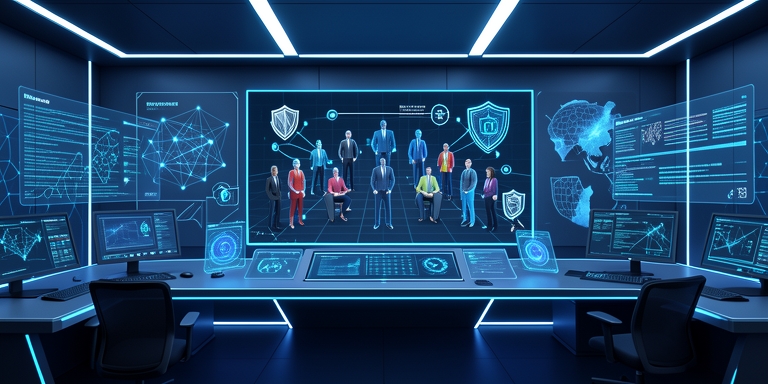
A panel discussion at the FutureCrime Summit addressed the critical process of designing, staffing, and maintaining cybersecurity laboratories, emphasizing the need for alignment between technological capabilities, investigative demands, and operational sustainability.
Building A Laboratory Around Operational Needs
Establishing a cybersecurity laboratory requires more than acquiring forensic workstations and security software; it necessitates a strategic design aligned with its intended functions. Laboratories must be structured to handle tasks such as digital evidence analysis, mobile device forensics, malware examination, network investigations, cybercrime response, and training programs. The discussion underscored the importance of tailoring infrastructure to specific investigative needs, including hardware specifications, specialized forensic tools, secure networking environments, evidence storage solutions, and restricted access protocols.
Technology Must Be Matched With Skilled Personnel
The session also emphasized that advanced equipment alone does not guarantee laboratory effectiveness. Personnel must possess the expertise to collect, preserve, analyze, and interpret digital evidence while operating complex tools. Continuous training is essential due to the rapid evolution of cybercriminal tactics, device architectures, and software ecosystems. Ajay Sariyal’s role at MSAB, a company specializing in mobile device forensics, provided a technological perspective. His work with the organization highlights the necessity of integrating cutting-edge tools with human expertise to address emerging challenges in digital investigations.
Managing The Laboratory After Deployment
The panel highlighted a critical challenge: laboratory management extends beyond initial setup. Ongoing maintenance is required to address equipment upkeep, software updates, licensing compliance, storage capacity planning, and access control measures. As caseloads grow, laboratories must implement strategies to prioritize evidence processing and minimize backlogs without compromising forensic accuracy. The discussion positioned laboratory planning as a long-term institutional responsibility rather than a one-time investment. For law enforcement agencies, forensic institutions, and cybersecurity teams, the takeaway was clear: a functional laboratory depends on the integration of appropriate technology, qualified personnel, secure workflows, and sustained operational management.
As cyber investigations become increasingly complex and digital evidence becomes integral to criminal cases, the development of professionally structured laboratories is emerging as a foundational requirement for effective cybersecurity and forensic operations.

About Author





 English