

Deepfake Forensics: Can You Trust AI-Generated Content?
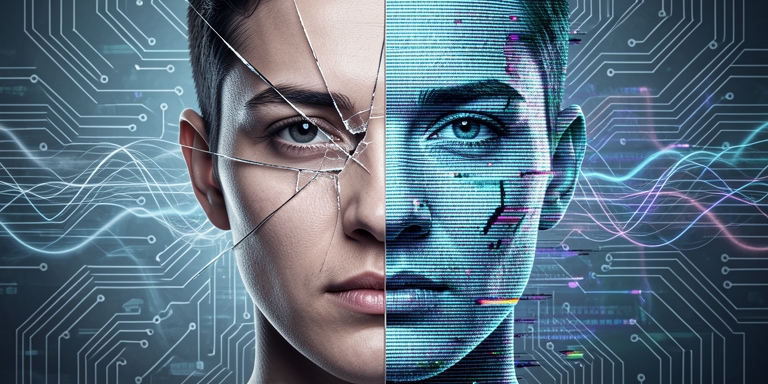
Advanced artificial intelligence systems now produce highly realistic visual and auditory content that can deceive even trained observers. What was once easily identifiable as synthetic media has evolved into forms that mimic real-world interactions with remarkable accuracy. This development presents a critical challenge for digital forensics: verifying the authenticity of multimedia evidence in an era where AI can fabricate convincing representations of people, events and communications. As part of the Centre for Police Technology’s 31-Day Cybersecurity Knowledge Series, this analysis explores the technical aspects of deepfake creation, detection methodologies and investigative strategies for law enforcement and corporate security professionals.
Understanding the Nature of Deepfakes
Synthetic media generated through artificial intelligence can alter or fabricate visual and audio content. These systems can manipulate:
- Facial features to replace one individual’s visage with another
- Vocal patterns to replicate a person’s speech from recorded samples
- Video sequences to create false narratives of actions or statements
- Audio recordings to generate speech that mimics specific individuals
- Visual elements to synchronize lip movements with synthetic audio
- Digital identities by combining fabricated facial, vocal and biometric data
While some applications exist for entertainment and creative industries, the technology also enables malicious activities such as financial fraud, identity theft, misinformation campaigns and social engineering attacks. The core forensic challenge shifts from identifying obvious anomalies to establishing the origin and integrity of digital evidence.
Technical Processes Behind Deepfake Creation
Modern deepfake production relies on generative AI models that analyze large datasets to create synthetic content. Key techniques include:
- Facial reenactment to modify expressions or movements in existing video footage
- Voice synthesis using neural networks trained on audio samples
- Image generation through generative adversarial networks (GANs)
- Audio manipulation to alter speech characteristics while maintaining authenticity
- Lip synchronization algorithms that align synthetic speech with visual mouth movements
- Video editing tools that integrate synthetic elements with real-world footage
These methods continue to advance, reducing visible artifacts that once made deepfakes detectable through conventional visual inspection.
Challenges in Detecting Synthetic Media
Early iterations of deepfake technology often contained identifiable flaws such as unnatural eye movements, inconsistent lighting or mismatched shadows. However, contemporary systems employ sophisticated algorithms to eliminate these indicators. As a result, casual observers may struggle to distinguish between genuine and fabricated content.

About Author









 English