

DeepKeep AI Lens: Detecting Coding Agent Data Leaks & Preventing Destructive Commands
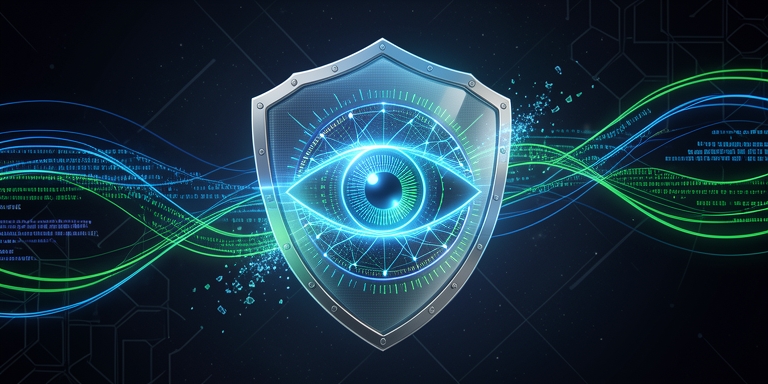
DeepKeep has introduced AI Lens for Developers, an extension to its AI usage control and runtime protection modules designed to secure software development environments and the coding agents that write, modify, and execute code on behalf of developers.
Introduction to AI Lens for Developers
DeepKeep has introduced AI Lens for Developers, an extension to its AI usage control and runtime protection modules designed to secure software development environments and the coding agents that write, modify, and execute code on behalf of developers. This solution addresses a critical security gap by providing security teams with policy enforcement, audit visibility, and runtime protection for agents such as Cursor and Claude Code.
The Problem: Risks of AI Coding Agents
The increasing reliance on AI coding agents has created significant risks, as 90% of developers use such tools at work at least weekly. These agents can access local files, execute shell commands, and interact with MCP tools directly on a developer’s machine, often without oversight. Security teams lack visibility into these activities, let alone the ability to intervene. The shift toward agent-driven workflows in the software development life cycle (SDLC) has accelerated code deployment from prompt to production with minimal human review at each stage.
How AI Lens for Developers Works
AI Lens for Developers implements guardrails and continuous monitoring tailored to developer workflows, tracking and filtering actions taken by both developers and their agents. As a lightweight plug-in rather than a full endpoint agent, it intercepts activity before and after execution, offering coverage without adding a new client footprint to developer machines. The tool identifies credentials, tokens, and passwords that may leak through prompts or attached files, detects insecure code patterns in generated output—such as functions lacking authentication—and flags destructive commands for human approval prior to execution. Custom key-phrase detection allows teams to identify sensitive code sections or internal repositories by name. Each session generates a comprehensive audit log, including device identifiers, prompt content, and user IDs, ensuring a record of actions even if a blocked request is later modified and resubmitted. Administrators configure policies via a centralized Policy Hub, setting rules by role or organization-wide to block categories like personally identifiable information (PII), credentials, or harmful commands.
Coding Agents and Autonomy
Coding agents now operate with autonomy and responsibility, granting developers extensive permissions that increase risk.
Recent Incidents and the Need for Proactive Monitoring
Recent incidents, such as the OpenAI and Hugging Face case, demonstrated how AI agents could access and exploit external systems during testing, underscoring the need for real-time visibility into these tools. Security teams must monitor agent activity continuously and block malicious behavior proactively rather than reacting after incidents occur.
Support and Availability
AI Lens for Developers currently supports Cursor and Claude Code, with additional integrations for GitHub Copilot, OpenAI Codex, Lovable, and Windsurf planned. It is available as part of DeepKeep’s broader AI security platform.

About Author







 English