

Dehradun Couple Scammed ₹13 Lakh in Fake NIA-ATS Digital Arrest Scam
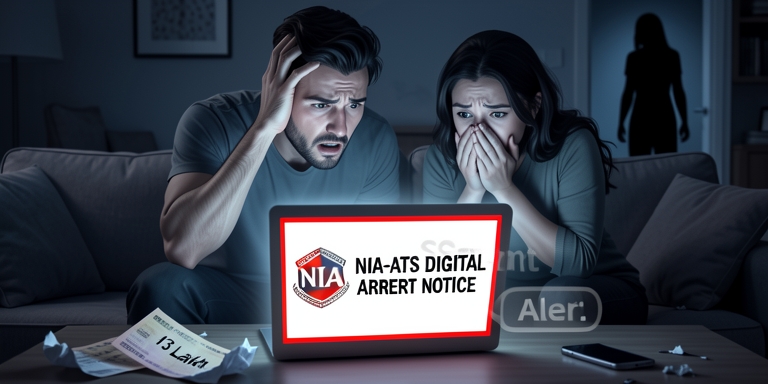
A pair of residents in Dehradun fell victim to a sophisticated cyber fraud scheme in which perpetrators falsely claimed to represent the National Investigation Agency (NIA) and Anti-Terrorism Squad (ATS), coercing them into transferring funds under the guise of a fabricated legal investigation.
Incident Overview
The incident, reported to Patel Nagar Police, highlights a growing trend of digital extortion tactics targeting individuals in Uttarakhand. The scam unfolded over multiple hours, beginning with an unsolicited call from an unidentified number on July 30. The caller, who introduced himself as Senior Inspector Rajendra Singh Tripathi, alleged that a criminal case had been initiated against the couple.
The Scam Unfolds
The fraudsters then escalated the situation by claiming the couple’s identity had been misused to open a bank account in Hubballi, Karnataka, which was allegedly linked to a terror financing operation. This narrative was designed to instill fear and urgency, leveraging national security concerns to manipulate the victims. As the call progressed, the perpetrators impersonated multiple officials, including an ATS officer and a Deputy Inspector General, to create an illusion of authority.
During video calls, they presented forged documents, such as a counterfeit Supreme Court arrest warrant and a fabricated property seizure order, to substantiate their claims. Under intense psychological pressure, the victims were instructed to transfer ₹13 lakh to a Kotak Mahindra Bank account under the name SK Enterprises in Chandivali, Maharashtra, under the pretense of account verification.
Red Flags and Aftermath
The couple became suspicious when the fraudsters issued additional demands after the initial transfer, prompting them to file a complaint with local authorities. The case has since been forwarded to Patel Nagar Police for further investigation. This incident aligns with a broader pattern of cybercrime in Uttarakhand, where similar scams have resulted in significant financial losses.
Expert Analysis
A cybercrime expert and former IPS officer, Prof. Triveni Singh, emphasized that digital arrests are a fraudulent construct used to extort funds. He reiterated that no Indian law enforcement agency employs such methods and urged the public to disregard unsolicited calls or forged legal documents.
Authorities’ Recommendations
Authorities recommend reporting such incidents immediately to local police or the National Cyber Crime Helpline at 1930, as prompt action may aid in freezing stolen funds before they are dispersed. The case underscores the need for heightened awareness and vigilance against evolving cyber threats, particularly those leveraging impersonation and fabricated legal procedures to deceive victims.
Frequently Asked Questions
- What measures can individuals take to protect themselves from similar scams?
- How do cybercriminals typically verify the authenticity of their victims’ personal information?
- Are there specific red flags that indicate a call or document is part of a digital extortion scheme?
- What steps should victims of cyber fraud take immediately after realizing they have been deceived?
- How effective are current law enforcement efforts in tracking and prosecuting perpetrators of digital arrest scams?

About Author








 English