

Elderly Couple Trapped in 4-Hour Video Call Scam: ₹25 Lakh Fraud Exposed
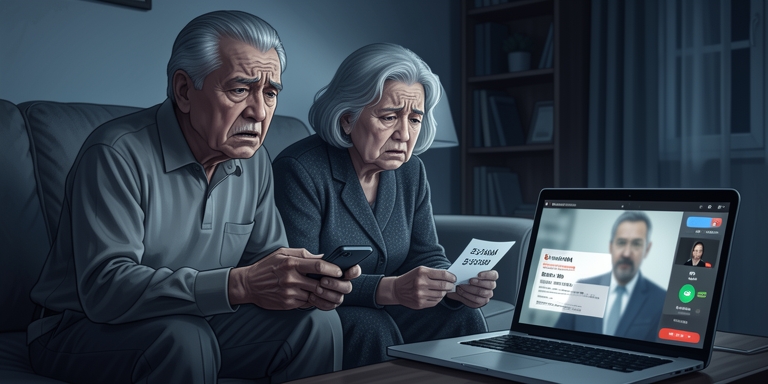
Rajkot Police intervened to prevent an elderly couple from falling victim to a digital fraud scheme after they were allegedly subjected to a four-hour video call by cybercriminals.
How Did the Initial Contact Occur?
A 75-year-old man residing on Kalawad Road in Rajkot received a call at approximately 2:46 a.m. The caller introduced herself as Preeti Verma, claiming to represent the Telecom Regulatory Authority of India. After brief communication, the call was transferred to another individual identified as her superior. This second party initiated a video call from a separate number, during which the victim’s face remained obscured. The caller instructed the elderly couple to sit together on chairs and maintain the video connection throughout the interaction.
What Allegations Were Made Regarding Personal Information?
The fraudulent caller examined the couple’s Aadhaar documents and asserted that a bank account had been opened using their details. They alleged that a ₹2 crore fraud had occurred through this account, labeling the situation as a critical legal matter. The victims were informed they would be monitored for three days, with the claim that ₹25 lakh associated with the alleged fraud had been transferred to their bank account.
How Was the Scam Executed?
Cybercriminals attempted to intimidate the couple by simulating official authority. At one point, the caller referenced retrieving a firearm from a vehicle and declared the elderly man under “digital arrest.” The perpetrators directed the couple to lock their doors, keep their devices charged, and avoid any interruptions to the video call. They also instructed the victims not to permit anyone working for them to enter the residence or to contact external parties. The callers threatened to transport the elderly man to Mumbai for interrogation under surveillance.
What Measures Were Taken to Pressure the Victims?
The fraudsters escalated their tactics by warning the elderly man of potential imprisonment related to the fabricated fraud case. They described harsh conditions in custody, such as the absence of basic amenities like a sofa, bed, or fan. Over the course of the four-hour call, the perpetrators gradually pressured the couple to transfer ₹25 lakh, insisting the amount had been deposited into their account and required immediate payment.
How Did the Victims Seek Assistance?
After enduring the prolonged intimidation, the elderly man contacted the 112 emergency helpline. Police responded swiftly, dispatching cybercrime investigators to the couple’s residence.
They documented the incident and initiated further investigative procedures. Officers also advised senior citizens to remain calm when encountering suspicious communications and to avoid engaging with calls from unverified numbers.
What Actions Did Law Enforcement Take?
Police prevented the couple from making the requested payment and provided reassurance regarding the legal status of the situation. They documented the incident and initiated further investigative procedures. Officers also advised senior citizens to remain calm when encountering suspicious communications and to avoid engaging with calls from unverified numbers.
What Lessons Can Be Drawn From This Incident?
Scammers frequently exploit fear by falsely linking personal data, such as Aadhaar numbers, bank accounts, or phone numbers, to severe criminal allegations. Prolonged video calls, isolation directives, and threats of arrest are common tactics used to manipulate victims. Individuals encountering such scenarios should immediately report the matter to law enforcement rather than comply with demands or transfer funds. Cybercriminals continue to leverage fear and fabricated authority to target vulnerable populations. The Rajkot case highlights the importance of public awareness and swift reporting to mitigate financial losses. Refusing to accede to fraudulent requests and seeking police assistance promptly can effectively disrupt such schemes.

About Author






 English