

FBI Arrests Florida Man in $220,000 Steam Crypto Theft Case
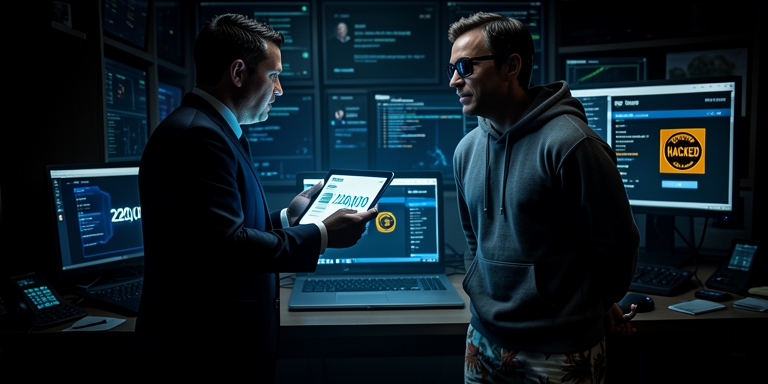
A 21-year-old Florida man has been arrested for allegedly orchestrating a crypto theft scheme through malicious video games, targeting over 8,000 devices and stealing $220,000 in cryptocurrency.
FBI Arrests Florida Man in $220,000 Steam Crypto Theft Case
A 21-year-old individual from North Lauderdale, Florida, has been taken into federal custody for allegedly facilitating the distribution of malicious software through video games that compromised over 8,000 devices and resulted in the unauthorized acquisition of at least $220,000 in cryptocurrency. Zyaire Dontaevious Zamarion Wilkins, also known as Zyaire Wilkins, was detained on July 14 by law enforcement authorities. A criminal complaint filed in Seattle outlines allegations that he participated in a conspiracy to extract data from computers for financial gain. The indictment details that Wilkins was involved in funding malware development and promoting infected games between May 2024 and February 2026.
Malicious Games Exploited Popular Platforms and Social Media
The criminal complaint identifies several game titles associated with the scheme, including BlockBlasters, Chemia, Dashverse/DashFPS, Lampy, Lunara, PirateFi, and Tokenova. These titles were disseminated through messaging apps such as Discord, Telegram, and X. Attackers reportedly employed automated tools to identify users holding significant cryptocurrency holdings and sent targeted messages encouraging them to download the infected games. Once installed, the malware harvested sensitive data, including login credentials, browser cookies, saved form entries, and authentication tokens. This information was then analyzed to locate cryptocurrency accounts, which were subsequently drained.
One of the most prominent incidents involved BlockBlasters, which was linked to the theft of approximately $32,000 from Latvian streamer Raivo Plavnieks, known online as Rastaland.TV. The funds had been donated to support his treatment for stage four cancer. Plavnieks passed away on November 18, 2025, as reported on his official website.
Malware Research Community Traces Infrastructure
Before the arrest, the cybersecurity research group VX-Underground conducted an analysis of BlockBlasters after receiving reports of suspicious activity. Their investigation uncovered the malware’s infrastructure, examined its operational methods, and identified additional victims. The group’s findings highlighted the malware’s role in targeted cryptocurrency theft campaigns. While the federal complaint does not explicitly credit VX-Underground’s work with the arrest, their analysis provided critical technical evidence during the ongoing investigation.
Financial Trails Lead to Suspect Identification
Investigators traced cryptocurrency transactions to identify Wilkins. Messages recovered from a co-conspirator’s device revealed communication with a Signal user known as “Sibel.eth,” which the complaint alleges was used by Wilkins to coordinate the distribution of malicious games. The suspect is accused of allocating funds for the development of a remote access Trojan and discussing strategies to exploit cryptocurrency wallets. Blockchain records indicated that approximately $10,000 was transferred to a Bitcoin address linked to the operation. Further analysis of cryptocurrency payments revealed transactions through Bitrefill, a service that facilitates the purchase of gift cards using digital currency. An account associated with the funds acquired over 150 gift cards, including those for Uber Eats. Data from Uber, Google, and other service providers helped investigators link the transactions to a phone number, accounts, and delivery addresses tied to Wilkins.
Ongoing Investigation and Victim Guidance
Wilkins has not been convicted and faces allegations that must be proven in court. The FBI is urging individuals who installed any of the identified games to report their experiences, including the game name, installation date, and any financial losses incurred. Victims are advised to reset compromised passwords using a secure device and transfer remaining cryptocurrency to a new wallet if their private keys or seed phrases were stored on the infected system. The case underscores the evolving tactics of cybercriminals leveraging gaming platforms and social media to execute financial fraud. As digital ecosystems expand, cybersecurity experts continue to emphasize the importance of vigilance and proactive measures to mitigate risks associated with malicious software.

About Author









 English