

France Cyberattack: Hackers Target Supermarket Fridges, Raise Temperatures to 50°C
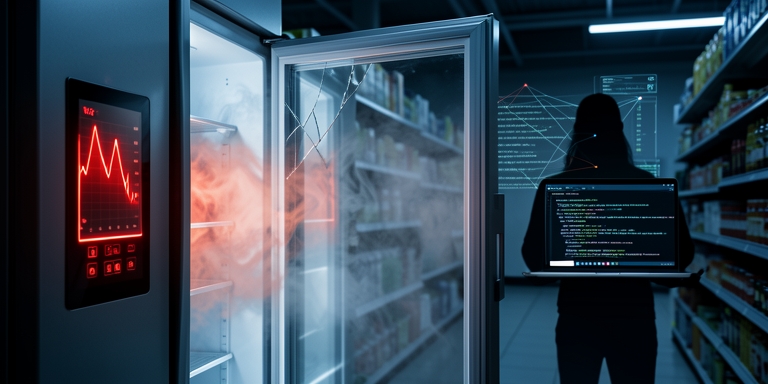
Cyberattack targeting refrigeration-control systems in France led to temperatures in supermarket freezers reaching 50°C, resulting in significant food spoilage and financial losses.
Attack Method and Vulnerabilities
The incident, reported to have begun overnight on Sunday, affected multiple retail chains and independent businesses, disrupting cold storage operations and forcing the disposal of perishable goods.
Exploited Software and Attack Vector
French media outlets, including BFMTV, reported that the attack exploited vulnerabilities in older refrigeration-control software supplied by Danish company Danfoss. Attackers manipulated the defrosting function of the systems, causing equipment to operate in heating mode rather than cooling.
“The breach impacted major supermarket chains such as Intermarché, Super U, and E.Leclerc, as well as Metro stores and smaller retailers like butcher shops,” according to reports.
Immediate Consequences
The immediate consequences were severe. Once refrigeration systems failed, the cold chain for fresh and frozen products was broken, necessitating the disposal of affected inventory to prevent health risks.
In Haguenau, Alsace, an Intermarché store lost frozen goods valued at approximately €50,000, while a nearby Super U store discarded both fresh and frozen items, incurring losses of around €220,000. An E.Leclerc location in the same area also reported damage, though its total losses remained unquantified at the time of reporting.
Response and Ongoing Efforts
Retailers confirmed ongoing efforts to restore functionality. Coopérative U stated that refrigeration systems in several stores were compromised, with teams collaborating with specialists to repair infrastructure. Intermarché internally alerted staff to frozen product losses at multiple locations.
International Impact and Investigations
Separate IT disruptions were reported in the Netherlands and Belgium, impacting Ahold Delhaize brands such as Albert Heijn, Etos, and Gall & Gall. The Dutch public broadcaster NOS described the incident as a “cybersecurity event” that caused widespread system failures, including website outages, halted online deliveries, and malfunctioning electronic shelf labels.
Distinct Events and Ongoing Investigations
Authorities and companies emphasized that the French refrigeration attack and the Ahold Delhaize incident are currently treated as distinct events. No public evidence has linked the two incidents, though investigations are ongoing.
Broader Implications
The attack highlights vulnerabilities in industrial control systems and the critical role of refrigeration in retail operations. As businesses continue to address the fallout, the incident underscores the growing threat of cyberattacks targeting infrastructure beyond traditional IT networks.

About Author








 English