

GitHub Security: How Version Update Delays Help Catch Malware First
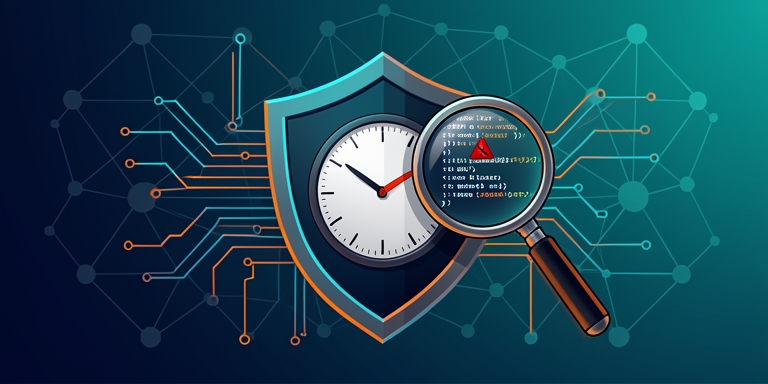
GitHub introduces a three-day cooldown period for non-security package updates to prevent malware distribution through automated systems.
Automated System Exploitation
GitHub’s automated system for monitoring package registries and generating pull requests for updates faced an unintended consequence in September 2025. Attackers exploited this mechanism by compromising an npm maintainer’s credentials, distributing malicious versions of critical packages including chalk and debug. The tainted releases remained active for approximately two hours before being removed by the community.
The Three-Day Cooldown Period
To address this vulnerability, GitHub introduced a three-day cooldown period for non-security version updates through its Dependabot service. This delay, configurable via the dependabot.yml file, prevents immediate pull request creation for package version upgrades while maintaining real-time responses for security advisories. The distinction between update types reflects the urgency of addressing known vulnerabilities versus the relative risk of version bumps.
Malware Distribution Patterns
Malware distribution cycles typically follow a short lifespan, with compromised packages often removed within hours. Analysis of incidents involving projects like Solana web3.js, Axios, and ua-parser-js revealed this pattern. The GitHub Advisory Database recorded over 6,500 npm malware advisories between June 2025 and May 2026, averaging 18 new malicious packages daily.
Implementation and Limitations
The cooldown period aims to create a buffer that allows for scrutiny before updates reach development environments. The three-day threshold was determined through analysis of 21 supply chain attacks over several years. In each case, malicious releases were identified and removed within hours, suggesting that a short delay would prevent most attacks from propagating.
Community and Ecosystem Consistency
Community tools have adopted similar delays, creating consistency across the ecosystem. However, the cooldown strategy has limitations. It is ineffective against sophisticated attacks that employ dormant backdoors, maintainer sabotage, or compromised build systems.
Carlin Cherry, a GitHub product manager involved in Dependabot development, noted that the delay addresses only one attack vector. Additional safeguards include using lockfiles to pin dependencies, disabling install scripts in CI pipelines, and restricting token permissions in build processes.
Conclusion
The incident underscores the evolving nature of supply chain attacks and the need for adaptive defense strategies. As malware distribution techniques evolve, security measures must balance responsiveness with risk mitigation to protect software development workflows.

About Author








 English