

Global Takedown of NightmareStresser DDoS Attack Service Exposed
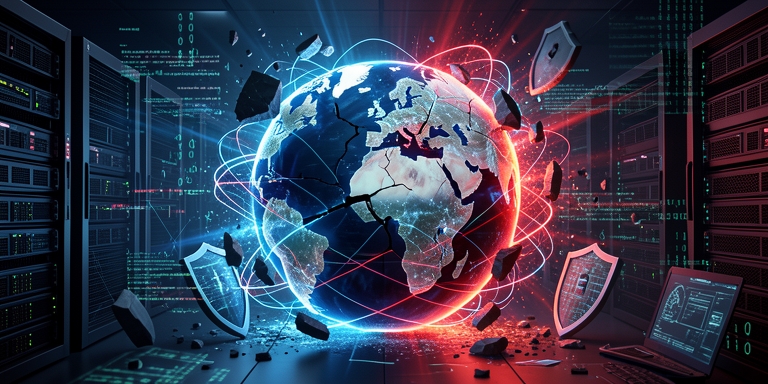
NightmareStresser, a prominent DDoS service, was dismantled after a multinational law enforcement operation.
Overview of the Takedown
The U.S. Department of Justice confirmed that the FBI seized domains linked to NightmareStresser, including nightmare-stresser[.]com and nightmarestresser[.]org, which now display a seizure notice.
The U.S. Department of Justice confirmed that the FBI seized the domains linked to the platform, including nightmare-stresser[.]com and nightmarestresser[.]org, which now display a seizure notice.
Operational Details
NightmareStresser, which facilitated hundreds of thousands of attacks globally, originated in 2016 and gained traction by 2018 after competing platforms were disrupted. By 2025, it had nearly 1 million users, capable of executing 3,000 to 4,000 attacks hourly.
Security researcher Alex Carter reported that NightmareStresser originated in 2016 and gained significant traction by 2018 after competing platforms were disrupted.
The service accepted cryptocurrency payments but excluded domains related to government, educational institutions, and healthcare providers.
Law Enforcement Efforts
The takedown was part of Operation PowerOFF, a collaborative initiative targeting DDoS-for-hire infrastructure worldwide. The DOJ highlighted the proliferation of booter and stresser services, which lower barriers for cybercriminals.
Over the past eight years, U.S. authorities have charged 12 individuals linked to DDoS facilitation and seized more than 100 domains. In April 2026, law enforcement in 21 countries disrupted 53 domains associated with such services.
Implications and Future Outlook
Earlier in 2025, the RapperBot DDoS botnet was dismantled, and 27 websites tied to booter services were seized in 2024. Authorities have also pursued legal action against both administrators and end-users of these platforms.
The dismantling of NightmareStresser marks a significant step in combating cybercrime, but the persistence of DDoS services underscores the need for continued international collaboration.

About Author





 English