

GNOME 51 Launches New Features: Passkey Logins, Offline Maps, and Drawn PDF Signatures
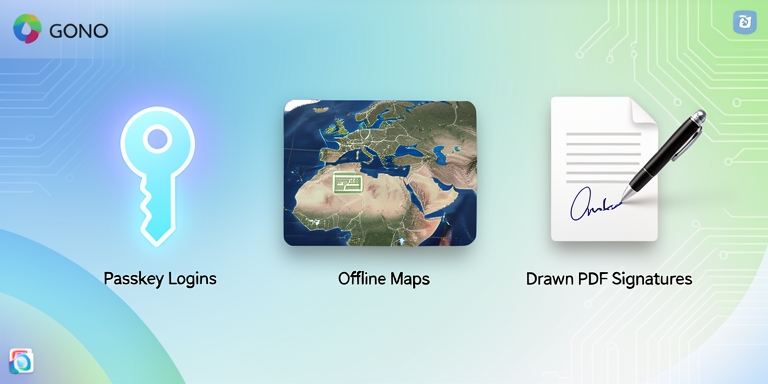
GNOME 51 introduces passkey authentication, offline mapping capabilities, and hand-drawn signature support in PDF documents.
Release Overview
The latest iteration of the Linux desktop environment was released on September 16 under the codename A Coruña. This update integrates offline map functionality and real-time transit data into the Maps application, enhances login mechanisms at the authentication screen, enables manual signature creation in the Papers document viewer, and improves system performance during high workloads. The version will be included in Fedora 45 and Ubuntu 26.10.
Graphics Driver Compatibility
A notable change involves graphics driver compatibility, as users of older NVIDIA hardware, including GeForce GTX 780 models, will no longer have access to the proprietary NVIDIA driver on GNOME. These systems will default to the Nouveau open-source driver, which operates at reduced performance levels. Affected NVIDIA card models include the GeForce 700 series and earlier, with exceptions for the GTX 750 Ti, GTX 750, and GTX 745.
Maps Application Enhancements
The Maps application represents the most significant user-facing enhancement, according to GNOME’s release notes. It now supports offline navigation and transit information without requiring an internet connection.
Additional updates include improved metadata display in Image Viewer, performance optimizations in Calendar, and password generation features in the Web browser. The GDM login interface now supports smart card authentication, passkey integration, and QR code-based logins. Remote Desktop gains smartcard passthrough and Kerberos authentication support, benefiting enterprises utilizing Kerberos for centralized authentication.
Signature Creation in Papers
Papers allows users to create digital signatures via mouse or touchscreen input, with automatic background removal for imported images. These signatures do not include verification mechanisms or tamper detection features.
Performance Improvements
Performance improvements include optimized frame scheduling in Mutter, GNOME’s compositor, ensuring smoother animations during resource-intensive tasks. Screen recording efficiency has been enhanced by eliminating redundant buffer copies. The system now retains monitor brightness and HDR settings across reboots, and laptops with hybrid graphics benefit from cross-GPU buffer scanout capabilities.
Settings and Accessibility
Settings introduces Auto Rotate for devices with accelerometers, orientation locking, and touchpad deactivation when a mouse is connected. Accessibility updates include expanded Reduced Motion support, keyboard-only screenshot selection, and focus-ring timeout adjustments.
File Management and Utilities
Files (Nautilus) displays drag operation counters, maintains selection states during empty space clicks, and remains responsive during slow file operations. Sushi and Disks utilities now operate on GTK 4 and libadwaita.
GNOME Circle Project
Three applications joined the GNOME Circle project, which curates third-party software. Bobby functions as a SQLite database browser, Tally serves as a counter tool, and Bazaar provides a Flatpak application store with customizable distribution sections.
Developer Notes
A developer removed NVIDIA-specific code from Mutter during the GNOME 51 development cycle. Mutter previously utilized two NVIDIA-specific pathways—EGLStreams for application rendering and EGLDevice with EGLStream for screen updates. NVIDIA later adopted GBM, the buffer allocation method used by Intel and AMD drivers, rendering the legacy pathways obsolete. The code removal commit noted that modern NVIDIA hardware already employs the standard DMA buffer protocol. Older GeForce cards, however, rely on legacy drivers and will transition to Nouveau.
Network Panel Changes
The Network panel in Settings no longer supports WEP, an outdated Wi-Fi encryption standard. While the impact on lower-level networking tools remains unspecified, users with legacy access points should test compatibility before upgrading.
Release Timeline and Support
GNOME 51 is paired with GTK 4.24, released on September 12. Beta versions of Fedora 45 and Ubuntu 26.10 offer early access, with final Fedora 45 releases scheduled for October 20, and a fallback date of October 27. Developers can access the GNOME 51 Flatpak SDK via Flathub, and GNOME OS Nightly images support virtual machine or bare-metal installations. GNOME 52 is planned for March 2027, following the March 2026 launch of GNOME 50.
Recommendations for Users
Users of affected hardware are advised to verify their distribution’s driver configurations before upgrading to Fedora 45 or Ubuntu 26.10. Fedora’s October 20 release timeline provides owners of older NVIDIA cards 34 days to decide between Nouveau, newer hardware, or delaying the upgrade. Additional updates include the removal of WEP support in the Network panel, with no clarification on whether lower-level networking tools retain WEP connectivity. Users with legacy Wi-Fi infrastructure should conduct compatibility tests prior to system upgrades.
Additional Enhancements
The GNOME 51 release cycle also includes enhancements to accessibility features, file management tools, and third-party application integration. Technical documentation and community resources remain available for developers and administrators seeking detailed implementation guides.
Conclusion
GNOME 51 brings a range of new features and improvements, focusing on user experience, performance, and compatibility. With the introduction of passkey authentication, offline mapping, and enhanced accessibility, this release aims to provide a more robust and user-friendly environment for Linux users.

About Author








 English