

How Organized Crime Syndicates Use Gift Card Fraud for Cross-Border Money Laundering
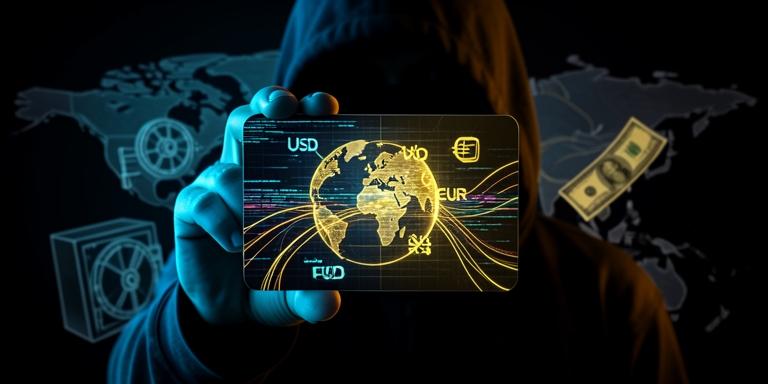
International law enforcement investigations have uncovered a growing trend of transnational criminal organizations leveraging gift card fraud to facilitate cross-border money laundering.
Criminal Networks Exploit Gift Card Fraud as a Tool for International Money Laundering
These groups systematically convert illicit proceeds from schemes such as romance scams, elder exploitation, cyberattacks, and physical theft into retail gift cards. By bypassing traditional banking systems, they use digital card balances to acquire high-value electronics and arrange international shipments, creating complex financial trails that hinder investigative efforts.
Layered Transactions Obscure Illicit Money Trails
A federal indictment of a Chinese national revealed a large-scale operation accused of channeling fraud-generated funds through gift card transactions. The scheme involved converting card balances into electronics shipped directly to China, according to law enforcement documents.
Physical Store Racks and Fraudulent Portals Targeted
Criminal networks employ diverse tactics to siphon value from retail distribution systems. One method involves tampering with physical store displays, where perpetrators extract serial numbers and PINs from visible gift cards before repackaging them to avoid detection. When unsuspecting customers purchase and activate these cards, fraudsters monitor the transactions to drain the balances.
Simultaneously, syndicates operate counterfeit websites designed to mimic legitimate brand portals. Users who enter card credentials on these phishing platforms inadvertently transfer control of the funds to criminals. Stolen balances are either immediately converted into retail purchases or traded through underground networks.
A major gaming company recently suspended physical gift card sales due to escalating security risks linked to these activities.
Expansion into Digital Coupons and Consumer Risks
The scope of fraud has expanded beyond traditional gift cards to include digital coupons and alternative payment instruments. Authorities in Georgia recently arrested individuals involved in manufacturing counterfeit digital vouchers, highlighting the diversification of criminal techniques.
In India, where digital vouchers are increasingly used for gaming, streaming, and e-commerce, consumers face heightened risks. Fraudsters exploit this trend through deceptive tactics such as fake job offers, investment scams, lottery claims, and staged legal threats.
Cybersecurity Advisories for Consumers
Cybersecurity advisories recommend that individuals refuse gift card purchase requests from unknown sources, inspect product packaging for tampering, access balance verification tools exclusively through official apps, and report suspicious activity to cybercrime authorities.
The evolving nature of gift card-based fraud underscores the need for enhanced security measures and public awareness to mitigate financial losses and protect vulnerable populations.

About Author







 English