

How to Protect Your Bank Accounts from Fake Helpline Scams Targeting Personal Data
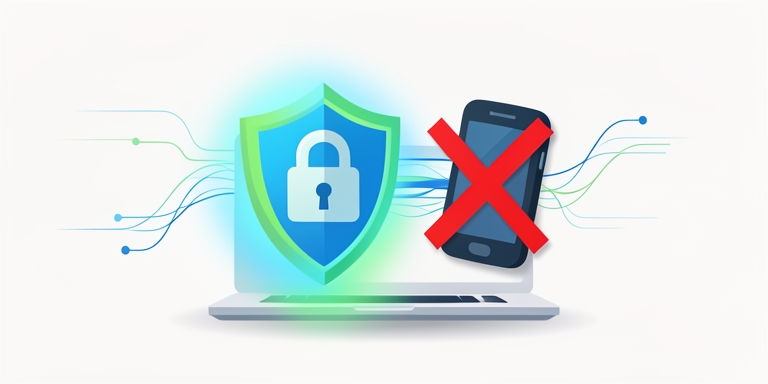
Online Scammers Deploy Fake Customer Service Lines to Steal Financial Information and Device Access A growing trend in cybercrime involves malicious actors creating deceptive contact points for financial institutions, delivery services, and online retailers, luring users into divulging sensitive data through unauthorized communication channels.
Criminal groups systematically generate fake websites
Criminal groups systematically generate fake websites, altered directory entries, and misleading forum posts that mirror the branding of established companies. These malicious listings appear alongside authentic contact information during standard web searches, making it difficult for users to distinguish between genuine and counterfeit sources. When individuals contact these fabricated lines to address routine issues—such as transaction failures, account freezes, or shipment delays—scammers pose as support personnel to gain trust and extract information.
Remote Access Exploitation and Credential Theft
During these interactions, fraudsters often request highly sensitive banking details, including one-time passwords, UPI PINs, card verification codes, and online banking credentials. In some cases, victims are instructed to download third-party applications under the guise of resolving technical issues. These applications grant attackers remote control over the victim’s device, enabling them to access stored data, monitor activity, and alter system settings.
Urgency Tactics and Protective Measures
According to cybersecurity analyst Prof. Triveni Singh, a former IPS officer, the primary strategy in these attacks involves building rapport and creating a false sense of urgency to pressure victims into sharing information before they can verify the legitimacy of the request.
Urgency Tactics and Protective Measures Scammers frequently employ high-pressure scenarios, such as claiming accounts are compromised or payments are at risk, to prompt immediate action from victims. This approach minimizes opportunities for users to independently confirm the authenticity of the communication. Experts recommend verifying contact details through official channels before sharing any personal or financial data. Additionally, users should avoid downloading unsolicited applications and regularly update security software to mitigate risks associated with remote access threats.

About Author






 English