

India’s Nationwide Cyber Campaign Tackles AI Scams, Deepfakes, and Malicious APKs
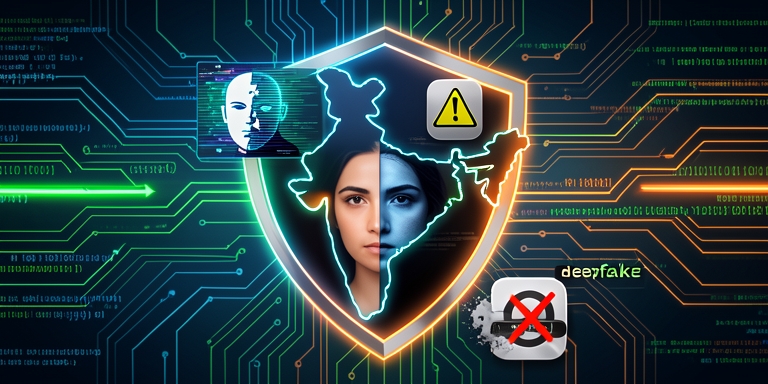
India launches “Be Cyber Street Smart” to combat AI-driven scams, deepfakes, and malicious apps through public awareness and cultural integration.
Launch of the Initiative
The Data Security Council of India has launched a nationwide cybersecurity awareness initiative titled “Be Cyber Street Smart,” targeting common digital safety practices and emerging threats such as malicious APKs, AI-driven voice-cloning scams, real-time deepfakes, and digital arrest frauds. The campaign, launched during Cyber Security Awareness Month 2026, involves collaboration between government agencies, financial institutions, technology firms, and other stakeholders to promote safer digital behaviors across the country.
Integration of Cultural Storytelling
The initiative reimagines traditional Indian storytelling methods to simplify cybersecurity education for the general public. By integrating culturally familiar formats like Kathputli, a traditional string-puppet art, the campaign aims to make digital safety concepts more relatable and memorable.
Launch Event and Partnerships
The launch event took place at the Bombay Stock Exchange, where Maharashtra Information Technology Minister Ashish Shelar inaugurated the program. Representatives from the Bombay Stock Exchange, Securities and Exchange Board of India (SEBI), the Indian Cyber Crime Coordination Centre, and the Maharashtra Cyber Department also attended. The ceremony included a symbolic “Ring the Bell” event, underscoring the partnership between public and private sectors in fostering a secure digital environment.
Key Focus Areas
The campaign addresses evolving cyber threats that exploit advancements in artificial intelligence and mobile technology. Key areas of focus include malicious APK files, which are harmful application packages designed to compromise user devices, and AI-powered voice-cloning techniques that enable fraudsters to mimic individuals’ speech. Additionally, real-time deepfakes—synthetic media that can impersonate people in videos or audio—pose significant risks, as do digital arrest scams that leverage deceptive communications to extort victims.
Campaign Methods and Outreach
To ensure widespread reach, the campaign employs diverse formats tailored for different audiences. These include screensaver-based educational content, community-based poster sessions, infographics that decode scam tactics, interactive digital stories (Cyber Kathas), stickers, and educational booklets. By blending traditional communication methods with modern digital security education, the initiative seeks to simplify complex cybersecurity concepts for everyday users.
Practical Habits for Users
The approach emphasizes practical habits, such as verifying app sources, recognizing suspicious behavior, and safeguarding personal data during online transactions. Government and industry collaboration is central to the campaign’s success. Supported by entities like CERT-In, the Indian Cyber Crime Coordination Centre, the Ministry of Electronics and Information Technology, and the Government of Maharashtra, the effort also includes participation from banking, technology, and cybersecurity organizations.
Collaboration and Stakeholders
Notable partners include Axis Bank, HDFC Bank, PayPal, CRED, and several academic institutions. This multi-sectoral partnership aims to amplify awareness and provide actionable guidance to users navigating the digital landscape. The campaign underscores the importance of addressing cybersecurity in everyday contexts, such as mobile app usage, social media interactions, and digital payments.
Addressing Real-World Scenarios
These platforms are increasingly targeted by fraudsters, who exploit user trust to deploy deceptive tactics. By focusing on real-world scenarios, the initiative helps individuals identify red flags, such as unsolicited requests for sensitive information or unusual transaction prompts. The emphasis on practical measures, rather than technical jargon, ensures that users can apply the advice in their daily routines.
Future of the Initiative
Government and private sector collaboration is critical as digital services expand. Public agencies provide regulatory frameworks and coordination, while private entities leverage their reach to disseminate safety messages. The campaign’s launch at the Bombay Stock Exchange highlights the intersection of financial and digital security, reflecting the growing reliance on online banking and payment systems.
Adapting to Emerging Threats
This synergy aims to create a unified approach to combating cyber threats and fostering responsible digital behavior. The “Be Cyber Street Smart” initiative reflects the evolving nature of cybercrime, where traditional tactics are being replaced by AI-driven methods. Malicious APKs, voice-cloning, and deepfakes demonstrate how fraud techniques are becoming more sophisticated, necessitating continuous education.
Conclusion
By integrating these risks into everyday conversations, the campaign empowers users to recognize and mitigate threats across the digital services they use regularly. The program’s success hinges on its ability to adapt to emerging challenges while maintaining accessibility. Through innovative communication strategies and broad stakeholder involvement, the initiative seeks to build a more resilient digital ecosystem in India. As cyber threats continue to evolve, such campaigns play a vital role in equipping users with the knowledge to protect themselves in an increasingly connected world.

About Author









 English