

Local Officials Phishing Scam: Permit Fee Thieves Targeting Residents
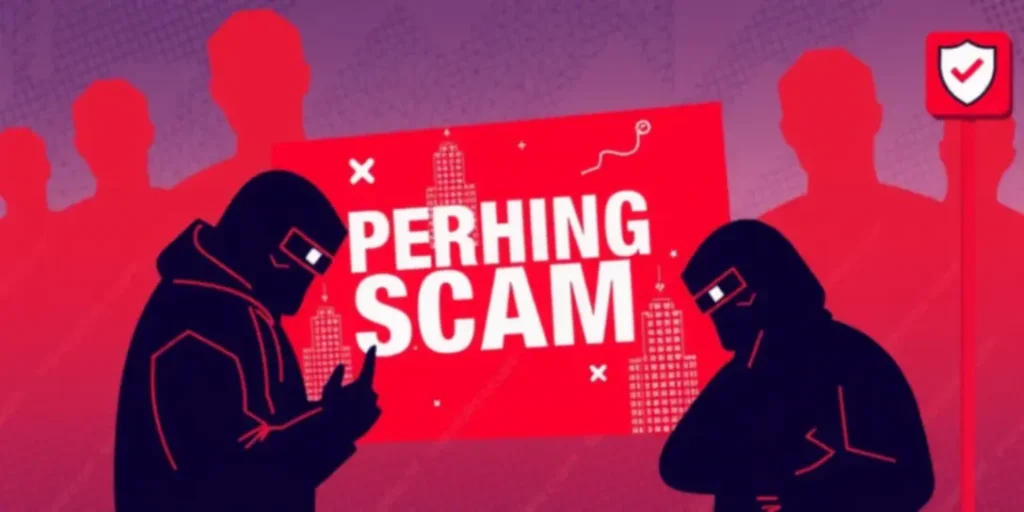
Cybercriminals Impersonate Local Government Officials in Sophisticated Phishing Campaign
Cybercriminals are using a sophisticated phishing campaign to impersonate local government officials and steal permit fees from unsuspecting victims.
How the Scam Works
According to the Federal Bureau of Investigation (FBI), the scammers are leveraging publicly available permit data to target individuals and businesses with fake emails that appear to be legitimate.
The emails often originate from non-government domains that resemble municipal departments, adding to their legitimacy.
Tactics Used by Scammers
The scammers are also using tactics to create a sense of urgency and avoid detection. Attached PDF invoices itemize supposed fees and instruct recipients to request payment instructions via email rather than by phone, making it more difficult for victims to verify the authenticity of the request.
FBI Warning and Tips
The FBI has warned that the phishing campaign is highly targeted, with scammers timing their emails to coincide with ongoing communications between victims and local government officials.
The FBI is advising the public to be cautious when receiving unsolicited emails that demand payment of permit fees. Individuals and businesses should verify the authenticity of any requests by contacting their local government officials directly, rather than responding to the email or sending payment.
- Be wary of emails that create a sense of urgency
- Be cautious of emails that ask for payment via wire transfer or cryptocurrency
- Verify the authenticity of any requests by contacting the relevant authorities directly
Conclusion
This phishing campaign highlights the need for individuals and businesses to be vigilant when receiving unsolicited emails that demand payment or sensitive information. By being aware of the tactics used by scammers and taking steps to verify the authenticity of requests, the public can protect themselves from falling victim to these types of scams.

About Author







 English