

MAKERphone 2: DIY 4G Smartphone with Modular Plug-in Camera, Speaker & Prototyping Board
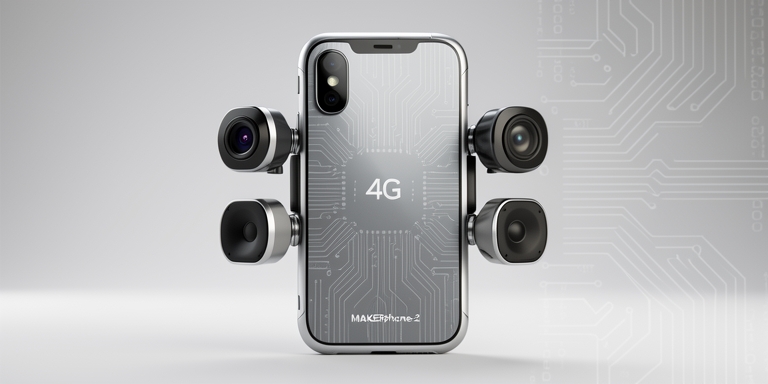
CircuitMess, a Croatian electronics company, has launched the MAKERphone 2.0, a do-it-yourself 4G smartphone available via Kickstarter.
Overview of MAKERphone 2
Users can program the device using MicroPython or Arduino C++ and integrate additional hardware components. The device functions as a fully operational mobile phone when a SIM card is inserted, enabling voice calls and text messaging. The platform targets both experienced developers and novice users, including parents seeking an introductory device for children.
Technical Specifications
Assembly requires approximately two hours without soldering, as components connect via screw and plug mechanisms. The core hardware operates on an ESP32-S3 microcontroller, which executes user-written code. The Kickstarter campaign offers the kit for $129, $40 less than the intended retail price of $169.
Modular Design and Expansion
The device features a universal expansion port named UMAX that supports six modular attachments: a camera, 2-watt audio output, flashlight, environmental sensor, infrared remote control, and a blank prototyping board. Upon connection, the phone automatically recognizes and integrates new modules into its interface. The prototyping board allows users to design custom hardware peripherals, which the system treats as standard components.
Coding and Learning Tools
VibeBoy Pro provides four skill-level coding environments, ranging from beginner-friendly templates to advanced development options. The tool generates code that enables basic phone functions such as text messaging and photo capture when paired with the camera module. The device’s open architecture emphasizes hands-on learning and hardware experimentation.
Market Position and Trends
The project highlights the growing trend of accessible embedded systems for educational and innovation purposes. The company’s focus on modular design and programmable hardware aligns with broader efforts to democratize electronics development. The product’s release coincides with increased interest in hardware-based cybersecurity research and educational tools.
Conclusion
The MAKERphone 2 represents a unique blend of practical functionality and educational value. Its modular design, affordability, and support for multiple programming languages make it a versatile tool for both learning and innovation. By combining hardware experimentation with real-world applications, CircuitMess is positioning the MAKERphone 2 as a key player in the DIY electronics space.

About Author






 English