

MCBS Data Breach Exposes 1.2 Million Individuals
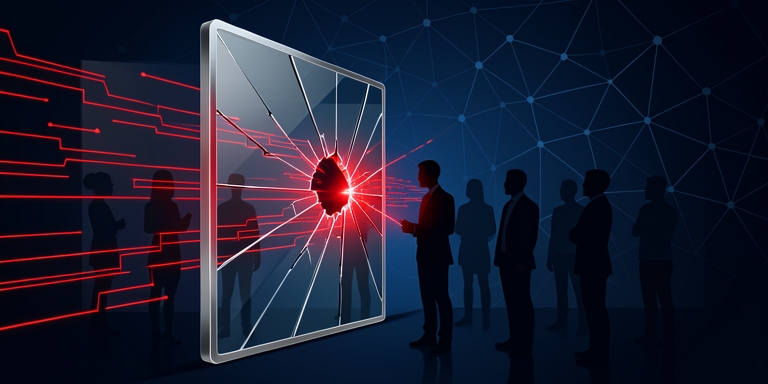
MCBS, a medical business management firm, reported a cybersecurity incident impacting over 1.2 million individuals following an attack in September 2025.
Overview of the MCBS Data Breach
The breach occurred between September 22 and September 26, 2025, with unauthorized access to MCBS systems. Cybercriminals potentially exfiltrated sensitive personal data, including names, addresses, Social Security numbers, dates of birth, health insurance details, and medical records. Seven healthcare organizations had their data compromised, affecting 1,261,464 individuals, as confirmed by the U.S. Department of Health and Human Services’ breach tracking database.
PEAR Ransomware Group Claims Responsibility
The PEAR ransomware group claimed responsibility for the attack, stating they stole over 3 terabytes of data. This included financial records, human resources documents, business operations files, vendor and partner information, patient personally identifiable information (PII), protected health information (PHI), payment details, and internal communications. The group has published some stolen data on its leak website, listing over 100 alleged victims. PEAR has also been linked to other breaches, such as Motility Software Solutions (766,000 individuals) and Tri-Century Eye Care (200,000 people).
Key Details of the Breach
The ransomware collective emerged in mid-2025 and has become a notable threat in the healthcare sector. The breach highlights vulnerabilities in medical data security and the growing risks posed by ransomware groups.
Broader Cybersecurity Context
Additional cybersecurity developments include a report on nuclear-sabotage malware disrupting frontier AI models, a $13 million fraud loss due to a data breach at Upbound Group, and a zero-day vulnerability in Check Point products exploited in active attacks. The U.S. government has warned about Iranian hackers targeting industrial control systems from Siemens, Schneider, and Rockwell. Other incidents involve data breaches at Suno and Paidwork, affecting tens of millions of accounts, and a flaw in an Adobe extension with 300 million installs enabling data theft.
Industry Responses and Updates
Oracle released updates to address over 1,400 vulnerabilities in its quarterly security patches, while Rockwell Automation fixed code execution flaws in its Arena simulation software. Researchers highlighted risks in AI-powered malware, vulnerabilities in car anti-theft systems, and 400 flaws in the Linux kernel. AegisAI secured $36 million in funding for AI-driven security solutions, and industry experts discussed challenges in vulnerability management and AI-driven software audits.
Additional Cybersecurity Incidents
A separate report confirmed a data breach at an Australian energy company, Origin, following a cyberattack. SecurityWeek’s Daily Briefing Newsletter provides ongoing coverage of cybersecurity trends, threats, and expert analysis.
“The PEAR ransomware group’s activities underscore the escalating threat landscape for healthcare organizations and the need for robust cybersecurity measures,” said a cybersecurity expert.
Conclusion
The MCBS data breach and related incidents highlight the critical importance of proactive cybersecurity strategies. Organizations must remain vigilant against evolving threats, implement stringent data protection protocols, and stay informed about emerging risks to safeguard sensitive information.
FAQs
What data was exposed in the MCBS breach? Names, addresses, Social Security numbers, dates of birth, health insurance details, medical records, and other sensitive information.
Which ransomware group claimed responsibility? The PEAR ransomware group.
How many individuals were affected? 1,261,464 individuals, according to the U.S. Department of Health and Human Services.
What other cybersecurity incidents are mentioned? Breaches at Upbound Group, Suno, Paidwork, and an Adobe extension flaw, along with vulnerabilities in Check Point products and Linux kernel flaws.

About Author







 English