

Phishing Scams Target Luxury Hotel Reservation Systems: How to Protect Your Data

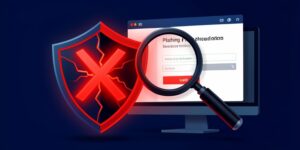
Phishing campaigns have recently exploited vulnerabilities in luxury hotel reservation systems, revealing critical gaps in hospitality sector security frameworks. Attackers gained access to high-end hotel booking inboxes through advanced social engineering tactics, deploying deceptive booking requests to infiltrate internal networks. Once inside, threat actors intercepted legitimate refund processes and manipulated them by replacing valid requests with counterfeit alternatives, resulting in unauthorized financial transactions and approvals.
Phishing Campaigns in Luxury Hotel Reservation Systems
This breach underscores the limitations of conventional security guidance, such as advising employees to avoid suspicious links, particularly for staff members whose roles necessitate handling unsolicited communications. The incident is compounded by a service-oriented culture that prioritizes guest satisfaction over procedural scrutiny, often discouraging employees from verifying requests and penalizing those who hesitate.
Attack Methods and Security Gaps
Threat actors used advanced social engineering to infiltrate internal networks, manipulating refund processes to execute unauthorized financial transactions. The attack highlights the inadequacy of traditional security measures in environments where employees regularly interact with unsolicited communications.
Service Culture and Procedural Scrutiny
The hospitality industry’s emphasis on guest satisfaction often leads to a reluctance to verify requests, creating vulnerabilities. Employees may face penalties for hesitating, further exacerbating the risk of successful phishing attempts.
Responsibility Fragmentation in Cybersecurity
The case underscores systemic challenges in assigning accountability. When security obligations are dispersed among property owners, management companies, and international hotel chains, no single party assumes full responsibility, leading to misplaced blame on employees rather than addressing organizational flaws.
Additional Cybersecurity Incidents
A separate security incident involved a LearnWorlds platform being leveraged to distribute phishing emails, with attackers deploying automated tools to send 13,000 malicious messages to external recipients. Meanwhile, cybersecurity threats in Europe are escalating at an unprecedented pace, driven by AI-enhanced attacks and sophisticated exploitation techniques.
LearnWorlds Platform and Phishing Distribution
Attackers used the LearnWorlds platform to automate the distribution of phishing emails, highlighting the risks of third-party services being exploited for malicious purposes.
Europe’s Escalating Cyber Threats
Cybersecurity threats in Europe are intensifying, with AI-enhanced attacks and advanced techniques becoming more prevalent. This trend necessitates updated security strategies to counter evolving threats.
Sega Data Breach and Third-Party Risks
A separate report confirmed that a data breach at Sega affected approximately 2.2 million customer addresses following a third-party security incident.
Conclusion
This event serves as a critical wake-up call for the hospitality industry to implement comprehensive digital hygiene practices and establish clearer accountability structures to safeguard sensitive financial data. The interconnected nature of modern threats demands a unified approach to cybersecurity, prioritizing both technological safeguards and organizational culture shifts.

About Author





 English