

Potential Issues with Smart Fridges Years After Purchase
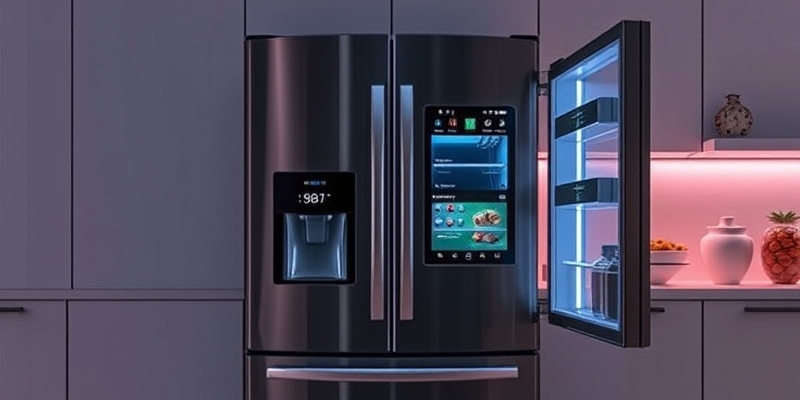
Household Refrigerators’ Hidden Risks: A Long-Term Conundrum
The intersection of modern technology and long-lasting appliances poses significant security concerns, particularly when it comes to smart home devices.
A recent analysis by researchers at Leipzig University reveals that even seemingly innocuous items such as refrigerators can harbor vulnerabilities that may not surface until years after their initial deployment.
This phenomenon arises from the disconnect between the lifespan of the physical appliance and the ephemeral nature of its software dependencies.
Risks Associated with Smart Appliances
-
Compliance Risks
-
Economic Risks
-
Operational Risks
Stem from regulatory changes that can limit the flow of personal data.
Arise from vendors degrading older services to promote newer products.
Accumulate due to technical obsolescence, including compatibility issues with newer systems and the inability to obtain necessary expertise and spare parts.
The risks associated with smart appliances are concerning, but experts emphasize that the impact is generally limited to inconveniences, such as spoiled food or discontinued digital features. However, in high-risk environments, such as hospitals, the stakes are significantly higher.
Implications for Consumers
As consumers consider purchasing smart appliances, they should factor in the potential for future obsolescence and its associated risks.
This issue extends beyond refrigerators, applying to any consumer product that combines long-lasting hardware with software dependencies.
Smart TVs, connected ovens, networked thermostats, and home security panels all face similar risks.
Manufacturers have yet to comment on these findings, leaving consumers to navigate this complex landscape of technological and security considerations.
As the world becomes increasingly reliant on interconnected devices, understanding and addressing these risks will be crucial for maintaining the integrity and security of our daily lives.

About Author









 English