

Real-Time Deepfake Detection for Enterprise Meetings | Polygraf AI Meeting Guard

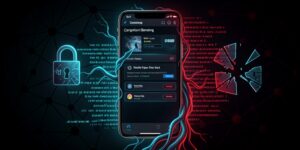
Polygraf AI has introduced Meeting Guard, an AI-driven fraud detection tool designed to identify deceptive activities during enterprise video conferences.
Introduction to Meeting Guard
Polygraf AI has introduced a new solution called Meeting Guard, an AI-driven fraud detection tool designed to identify deceptive activities during enterprise video conferences. The system addresses growing concerns around AI-generated voice cloning, facial animation, and automated responses that undermine traditional trust mechanisms in professional interactions.
Challenges and Threats
Organizations are increasingly vulnerable to AI-enabled threats such as fraudulent hiring practices, deepfake executive impersonation, unauthorized exposure of personal information, and state-sponsored cyber intrusions exploiting video conferencing platforms.
Key Features
Meeting Guard integrates directly into virtual meetings as a visible participant, offering real-time security assessments to all attendees. The platform functions as a compliance aid and automated note-taker, analyzing audio and video streams to detect synthetic media, verify speaker authenticity, identify potential data leaks, and generate secure meeting summaries without transmitting sensitive data externally.
- Customizable security protocols
- Centralized monitoring dashboards
- Automated compliance reports
- Searchable meeting transcripts
- Participant behavior analysis
- Threat intelligence reports
- Real-time alerts for suspicious activity
Use Cases and Industry Impact
A critical use case highlighted by industry experts involves high-stakes sectors like maritime logistics, where miscommunication during a single call could disrupt supply chains or financial transactions. Traditional verification methods relying on voice recognition have become obsolete due to advancements in AI-generated audio and video.
Proprietary AI Engines
Meeting Guard leverages three proprietary AI engines to continuously monitor all participants for signs of synthetic media, deepfake voices, and unauthorized data exposure. It generates immediate notifications, individualized threat scores, and detailed time-stamped analyses of AI-related risks, allowing administrators to quickly identify and investigate anomalies.
Security and Compliance
The platform operates on an encrypted infrastructure compliant with SOC 2 Type II and ISO 27001 standards, adhering to a strict No-Training policy that ensures no user data is used for model development. Deployment options include cloud-based implementation within 15 minutes, with hybrid and on-premises configurations typically requiring 1–2 weeks. Dedicated support is provided for seamless integration.
Financial Risks and Industry Data
According to internal research, organizations face annual financial risks ranging from $2.5 million to $71.4 million due to AI-driven meeting fraud, including executive impersonation, recruitment scams, vendor deception, and financial fraud. Gartner data reveals that 62% of organizations have encountered deepfake attacks, with 37% involving video calls and 43% affecting audio communications. The firm predicts that 25% of global candidate profiles will be synthetic by 2028, emphasizing the escalating threat landscape.
Operational and Security Benefits
Meeting Guard is designed to operate exclusively within customer-controlled environments, ensuring full oversight of sensitive interactions while maintaining productivity and collaboration efficiency. The solution addresses the urgent need for real-time AI enforcement as cybercriminals increasingly exploit generative technologies to bypass conventional security measures.
Conclusion
By embedding threat detection directly into meeting workflows, it offers enterprises a proactive defense against evolving AI-enabled risks.

About Author







 English