

Sentinel Envelope Plus: Software Protection Without Source Code Changes
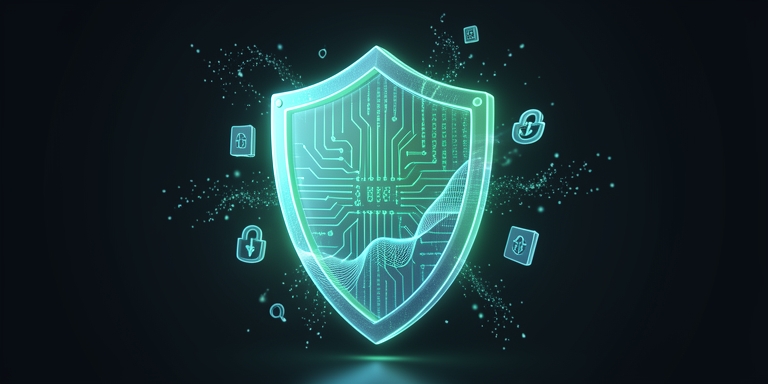
Thales unveils Sentinel Envelope Plus, a new software protection module designed to counter AI-driven reverse engineering and automated exploit creation without requiring source code changes.
Thales Unveils Sentinel Envelope Plus
Thales introduced Sentinel Envelope Plus, an advanced module within its Sentinel Envelope software protection suite. This innovation is designed to counter emerging threats from AI-driven reverse engineering, automated zero-day identification, and exploit creation. It fortifies compiled applications by implementing layered security measures without necessitating source code modifications or specialized compilation setups.
The Proliferation of AI-Assisted Analysis Tools
The proliferation of AI-assisted analysis tools has accelerated the process of identifying software vulnerabilities, diminishing the need for deep technical expertise and reducing the time required for reverse engineering tasks. This shift poses significant risks for software developers, especially when applications are deployed in uncontrolled environments.
High-Risk Deployment Scenarios
On-premises systems, embedded devices, and edge computing platforms face heightened exposure as attackers can extract and analyze software offline, bypassing vendor-controlled security frameworks. This scenario increases the likelihood of discovering sensitive elements such as proprietary algorithms, business logic, and critical system components.
“AI is drastically cutting the time and skill required to scrutinize software for weaknesses. Our evaluations demonstrate that robust software protection can substantially increase the complexity and resource demands of AI-assisted reverse engineering. This added delay provides organizations with critical time to detect, address, and mitigate vulnerabilities while safeguarding intellectual property.” – Damien Bullot, Vice President of Software Monetization at Thales
Experimental Validation of Protection Efficacy
Thales conducted a controlled experiment to assess Sentinel Envelope Plus’s effectiveness against AI-driven analysis. The test compared an AI agent’s ability to identify vulnerabilities in an unprotected application versus the same application secured with the new solution. The AI detected eight out of ten flaws in the unsecured version. However, when analyzing the protected application, the agent failed to identify any vulnerabilities despite consuming 970 times more computational resources and employing advanced techniques, including custom tool development.
Impact on Vulnerability Discovery
While underlying vulnerabilities persist in the codebase, Sentinel Envelope Plus significantly obscures their discovery and exploitation. This delay enables development teams to address issues during scheduled release cycles rather than diverting resources to urgent patches. The solution allows vendors to maintain product development timelines while ensuring customer security.
Technical Implementation and Customization
Sentinel Envelope Plus builds upon Thales’ existing software protection framework, enabling developers to apply enhanced security to specific application components without altering source code or requiring specialized development environments. The tool restructures and recompiles targeted sections, introducing multiple defense layers against decompilation, tampering, and runtime inspection.
Security and Licensing Features
Developers can prioritize security for critical modules, balancing protection strength with performance considerations. Additionally, the solution integrates optional licensing features, allowing vendors to shield proprietary algorithms and business logic while securing license management systems that underpin commercial models. These licensing mechanisms can be implemented without modifying source code, ensuring seamless adoption.
Conclusion
The introduction of Sentinel Envelope Plus reflects Thales’ commitment to addressing evolving cybersecurity challenges, offering a scalable approach to protect software assets in an increasingly automated threat landscape.

About Author





 English