

Three Arrested in AI-Deepfake Scandal Involving Actor Rukmini Vasanth

Authorities in Bengaluru’s Cyber Crime Division have detained three individuals linked to AI-generated synthetic media targeting actor Rukmini Vasanth.
Incident Overview
The case involves allegations of AI-generated morphed images and videos intended to portray the actor in a demeaning manner on online platforms. The complaint arose after such material reportedly circulated on social media, with the actor asserting that the manipulated content damaged her public reputation and violated her privacy.
Alleged Activities
Law enforcement officials recovered three mobile devices and are investigating the content’s dissemination network, as well as potential links to additional suspects. The accused individuals were identified as Ravikumar, 24, from Bagalkot district; Chandrakanth, 33, a Bengaluru resident originally from Shivamogga; and Ranjith, 25, also from Bengaluru.
Suspects and Investigation
Police stated the suspects were detained after evidence allegedly connected them to the creation and sharing of the synthetic media. The seized mobile phones are undergoing forensic analysis to assess the extent of their involvement and determine if other parties participated in the distribution.
Technological Aspects
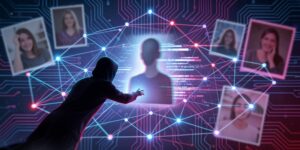
Investigators are evaluating whether the content was produced using open-source AI tools or advanced software capable of generating highly realistic deepfakes. Cybersecurity experts highlight the increasing accessibility of generative AI technologies, which enable the creation of convincing images, videos, and audio files that can be challenging to distinguish from authentic material.
Expert Insights
A prominent cybercrime specialist and former IPS officer, Prof. Triveni Singh, emphasized that AI-driven manipulation tools are being increasingly misused to spread misinformation and harm reputations. He warned that producing, sharing, or disseminating such content could result in severe legal penalties and urged social media users to verify the authenticity of material before sharing it.
Legal and Cybersecurity Implications
Cybersecurity professionals stress the importance of awareness and timely reporting in addressing AI-enabled abuse. They recommend that individuals document suspicious content, report it to platform administrators, and seek assistance from cybercrime authorities if manipulated media is used for defamation, threats, or harassment.
Current Status
The accused have appeared before a court, and the investigation continues. Authorities are analyzing digital evidence from the seized devices and tracing additional online accounts linked to the case. Investigators are also assessing the full scope of the content’s distribution and whether further individuals were involved.
“The case underscores growing concerns about the exploitation of AI for harassment, identity theft, and reputational harm. Indian law enforcement agencies have noted a surge in reports involving deepfakes and manipulated media targeting both public figures and private individuals.”
Conclusion
The incident highlights the challenges posed by rapidly evolving AI technologies and the urgent need for enhanced safeguards to prevent their misuse in digital environments.

About Author








 English