

Top 5 Washington Cybersecurity Developments Every CISO Must Monitor
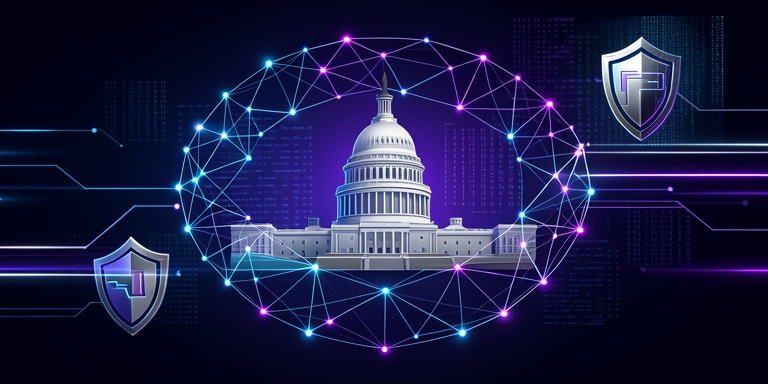
Five Washington developments every CISO should be watching While artificial intelligence dominates cybersecurity discussions, federal policy initiatives are quietly reshaping the security environment for enterprises, especially those engaged with U.S. government operations or critical infrastructure sectors.
1. CISA is undergoing workforce restructuring while maintaining core responsibilities
The Cybersecurity and Infrastructure Security Agency (CISA) operates under acting leadership, yet it has initiated efforts to restore portions of its workforce following prior reductions. The agency continues to prioritize tasks such as vulnerability management and collaboration with private sector entities. Eftekhari noted that operational continuity persists despite leadership transitions, asserting that CISA’s current team remains committed to its mission of strengthening organizational security.
2. AI regulatory frameworks are diverging at the state level
The White House established a national AI policy framework via Executive Order 14365, but state governments are enacting separate AI legislation, leading to a fragmented regulatory landscape. This scenario mirrors the challenges faced by organizations navigating state-specific privacy laws. For CISOs, this implies that AI governance strategies must account for varying requirements rather than anticipating a unified federal standard.
3. Cybersecurity obligations for federal contractors are expanding
Organizations working with the U.S. government must monitor evolving cybersecurity mandates related to Controlled Unclassified Information (CUI) and compliance with NIST SP 800-171. Eftekhari pointed to recent procurement changes that have received limited attention but could significantly impact entities operating in the federal market. Despite the Pentagon’s temporary halt on the CMMC third-party assessment phase, existing NIST SP 800-171 and DFARS requirements remain enforceable. Contractors should anticipate cybersecurity compliance as a fundamental condition for government contracts.
4. Quantum computing risks demand urgent attention
Eftekhari warned that quantum computing is receiving less focus compared to AI, despite federal investments accelerating through executive actions and bipartisan legislation. Existing federal laws mandate agencies to inventory cryptographic systems and prepare for post-quantum cryptography transitions. Recent executive measures have further emphasized workforce and technology initiatives to address this threat. CISOs are urged to prioritize cryptographic inventory assessments to mitigate future risks.
5. Policy literacy is emerging as a critical leadership competency
The most significant insight from the discussion underscored the need for CISOs to treat Washington policy developments as a strategic risk factor. Understanding how legislation, executive orders, and geopolitical shifts influence supply chains, cloud providers, and regulatory expectations enables security leaders to offer informed guidance to executives and boards. Eftekhari highlighted that professionals capable of linking policy, business risk, and cybersecurity will gain greater organizational value. He recommended following updates from federal agencies like CISA, NIST, and ONCD, as well as leveraging resources such as ICIT’s weekly policy briefings.
The U.S. government’s cybersecurity landscape continues to evolve, with federal policies playing a pivotal role in shaping enterprise security strategies. CISOs must stay informed about these developments to align operational priorities with regulatory and technological shifts.

About Author






 English