

UK Police Database Breach Exposes Officer Details, Boosts Phishing Threats
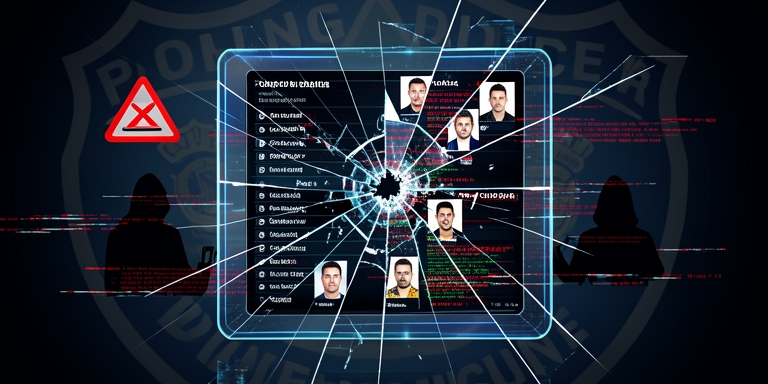
A significant data exposure event has impacted the Police National Legal Database (PNLD) in the UK, revealing personal and professional contact information for law enforcement personnel, staff, and criminal justice sector workers.
Overview of the Data Breach
The compromised data was later shared on the dark web, prompting concerns over heightened risks of phishing campaigns and targeted cyberattacks. The PNLD, a legal reference platform utilized by all 43 Home Office police forces in England and Wales, as well as the public “Ask the Police” Q&A service, was the primary system affected.
Details of the Compromised Information
The exposed information includes names, affiliated organizations, and work addresses. Although credentials such as passwords were not disclosed, the availability of contact details increases the likelihood of sophisticated phishing operations aimed at individuals within the police and justice sectors.
Investigation and Response
The National Crime Agency is currently investigating the incident, with cybersecurity experts pointing to a potential connection with misconfigured Microsoft Power Pages portals. This vulnerability could enable unauthorized access to sensitive data by anonymous users.
Potential Connection to Microsoft Power Pages
The PNLD serves as a repository for legal resources and services but does not function as a system for recording criminal activity. Affected entities have been informed of the breach, and the incident has been reported to the UK Information Commissioner’s Office.
Implications and Cybersecurity Concerns
While no definitive attribution has been made for this specific event, the extortion group ExfilSquad has been associated with similar attacks in the past. The breach was identified through monitoring activities, with affected organizations notified and mitigation measures initiated.
Call for Vigilance and Mitigation Measures
Cybersecurity professionals emphasize the importance of heightened vigilance against social engineering tactics following the exposure of contact information. The incident underscores the ongoing challenges of securing public sector databases against evolving threat vectors.
Conclusion
The incident highlights the critical need for robust cybersecurity measures to protect sensitive data in public sector systems.

About Author









 English