

Ukrainian Police Raids 94 Fraudulent Call Centers, Seize $2 Million
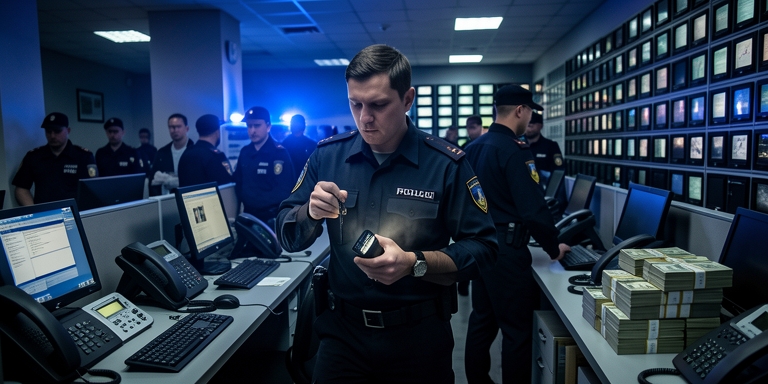
Ukrainian law enforcement executed a large-scale operation targeting 94 illicit call centers, recovering over $2 million in assets and dismantling a network engaged in systematic financial deception.
Operation Overview
Ukrainian law enforcement executed a large-scale operation targeting 94 illicit call centers, recovering over $2 million in assets and dismantling a network engaged in systematic financial deception. The operation involved 400 search warrants and the confiscation of extensive digital and physical evidence, including computing devices, communication tools, and financial instruments.
Criminal Tactics and Methods
The call centers were implicated in multiple fraud schemes, including impersonation of banking personnel, fraudulent investment ventures, cryptocurrency exploitation, and unauthorized remote access to victim devices. Investigators discovered that some groups compiled and traded personal data of potential targets, facilitating coordinated criminal activities.
Facility Details
Police described the facilities as organized hubs designed for “systematic exploitation of individuals,” equipped with prewritten scripts, victim databases, and software for concealing illicit transactions.
Police described the facilities as organized hubs designed for “systematic exploitation of individuals,” equipped with prewritten scripts, victim databases, and software for concealing illicit transactions.
Assets Seized
Authorities seized 3,336 computing devices, 1,346 mobile phones, 5,200 SIM cards, 90 bank cards, access to 20 cryptocurrency wallets, and 22 vehicles. Additional assets included approximately $2 million in U.S. dollars, 64,000 euros, local currency, 1 kilogram of gold bars, and jewelry.
International Collaboration
Investigators identified 67 financial instruments linked to the schemes, such as 40 bank accounts, 12 cryptocurrency wallets, and 15 suspected money mules. Criminals employed diverse tactics to deceive victims. Some impersonated bank representatives to extract card details, verification codes, or initiate fund transfers. Others posed as investment brokers, directing individuals to fraudulent platforms offering fake cryptocurrency opportunities. A subset of the network marketed non-therapeutic dietary supplements as medical treatments. Certain operations targeted international victims, with Ukrainian authorities collaborating with German counterparts to dismantle a group that defrauded EU citizens through fake brokerage services, funneling stolen funds through cryptocurrency exchanges.
Ongoing Investigation
Law enforcement conducted 867 property checks and issued criminal suspicion notices to 26 individuals. The investigation proceeds under Ukraine’s Criminal Code provisions addressing fraud and property laundering, which carry penalties of up to 12 years in prison and asset confiscation. Authorities are analyzing seized materials, tracing financial flows, and identifying additional participants involved in laundering proceeds. The operation was conducted jointly by Ukraine’s National Police, the Security Service of Ukraine, and the Office of the Prosecutor General.
Conclusion
The case highlights the evolving tactics of cybercriminal networks, emphasizing the need for cross-border collaboration and advanced forensic analysis to counter sophisticated financial fraud.

About Author








 English