

Unlocking Enterprise AI Success at RSAC Conference 2026 with Industry Experts, Achieving Real-World Results through Collaboration and Innovation
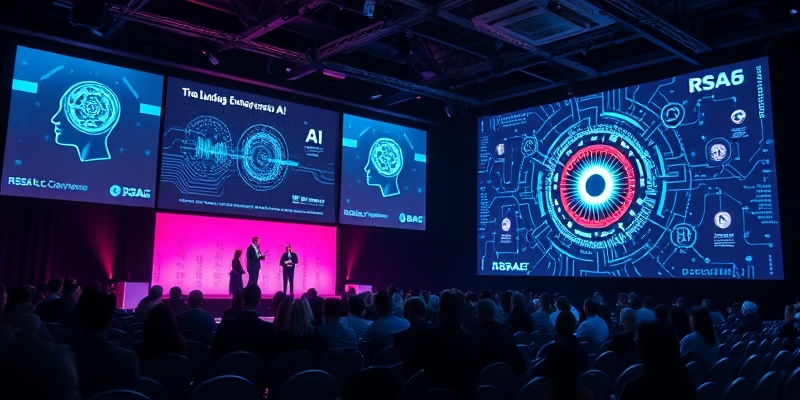
The State of AI in the Enterprise: An Expert Perspective
In recent years, Artificial Intelligence (AI) has become a crucial component in many businesses’ strategic plans. However, despite its potential, many AI initiatives within the enterprise have failed to deliver results.
Key Challenges in AI Implementation
Effective AI workflows require careful consideration of various components, such as data quality, model selection, and integration with existing systems. Poor design and inadequate planning are common reasons why many AI implementations in the enterprise fail.
Security Plays a Critical Role in AI Success
Security should be integrated into every stage of the AI process. Collaboration between security and AI development teams is essential to ensure that AI systems are designed with security in mind. Data quality and validation are also critical factors, as poor-quality data can lead to inaccurate predictions and flawed decision-making.
Zero Trust Architecture and Continuous Validation
A zero-trust architecture assumes that all users and devices are untrusted until verified. This approach requires continuous validation of policies across multiple systems and platforms. Traditional security measures alone are insufficient and must be complemented by a robust policy control plane to ensure consistent enforcement and validation of policies.
Real-world Examples and Future Directions
Experts from various fields share insights on AI-powered attacks and mitigation strategies, emphasizing the need for adaptation and innovation in security measures. Automation and goal-oriented AI agents can help streamline threat investigations and inform decision-making.
In conclusion, AI implementation in the enterprise requires careful planning, attention to detail, and collaboration between development and security teams. A zero-trust architecture and continuous validation of policies are essential for ensuring the security and effectiveness of AI systems.

About Author









 English