

Digital Certificate Fraud Exposed by Deepfake Glitch
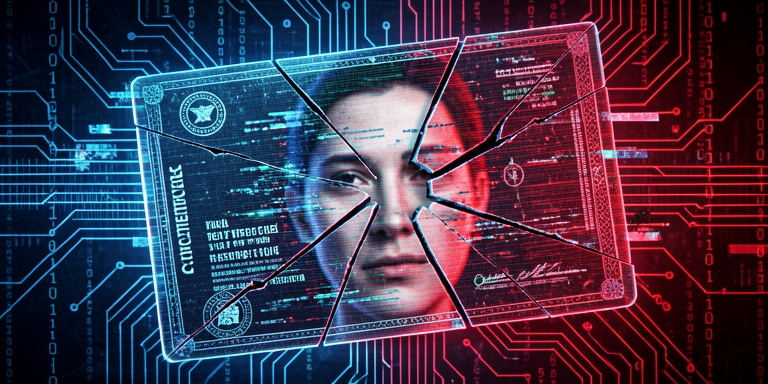
Spanish police have detained an individual in Murcia suspected of using deepfake technology to manipulate video-based identity verification systems for financial deception.
Incident Overview
Spanish police have detained an individual in Murcia suspected of leveraging deepfake technology to manipulate video-based identity verification systems, aiming to acquire digital certificates for financial deception. The suspect reportedly executed 38 attempts targeting over 30 individuals, though authorities have not disclosed the success rate of these efforts.
Investigation Details
The National Police initiated the investigation following a certificate issuer’s report of irregular verification requests. During these incidents, the suspect allegedly presented forged national ID cards during video calls while AI-driven software altered his facial features to align with the document’s photograph. The scheme unraveled when a temporary malfunction in the digital mask revealed his actual appearance during a live session.
Technical Methods Employed
Investigators noted the suspect utilized household lighting with colored bulbs to mimic the reflective properties of genuine identity documents under natural light conditions. He also positioned counterfeit IDs in front of webcams to replicate official holographic elements and employed virtual private networks to obscure his online activity.
Evidence Recovered
A forensic analysis of his communications and financial transactions linked over 320 phone lines to 24 mobile devices. During the arrest, law enforcement recovered a heavily encrypted laptop, multiple mobile phones, storage media, and documentation connected to the case.
Legal Allegations
The individual faces allegations related to the ongoing offense of fabricating official records. The case highlights the evolving tactics of cybercriminals exploiting synthetic media for identity fraud.
Implications and Challenges
Advanced techniques included replicating security features through manipulated documents and leveraging anonymization tools to evade detection. The incident underscores the challenges of verifying digital identities in an era where AI-generated content can closely mimic real-world authentication processes.
Law Enforcement Response
Law enforcement agencies continue to adapt strategies to counteract such sophisticated methods of electronic deception. The investigation revealed the complexity of tracing digital footprints when perpetrators employ multiple layers of obfuscation.
Cybersecurity Expert Recommendations
Cybersecurity experts emphasize the need for enhanced verification protocols to prevent similar breaches. The case also raises concerns about the potential for deepfake technology to be weaponized in broader financial crime operations.
Ongoing Analysis and Future Measures
Authorities are analyzing the seized evidence to determine the full scope of the alleged activities. The incident serves as a critical reminder of the vulnerabilities in current digital authentication systems.
Research and Regulatory Focus
Ongoing research into AI detection mechanisms aims to address these emerging threats. The case has prompted discussions about the regulatory frameworks required to combat synthetic media-based fraud.
Industry and Public Response
Cybersecurity professionals are urging organizations to implement multi-factor authentication measures to mitigate risks. The use of AI in both offensive and defensive cybersecurity strategies remains a focal point of industry research.
International Collaboration
The arrest highlights the importance of international collaboration in addressing cross-border cybercrime. Law enforcement continues to monitor developments in deepfake technology to stay ahead of potential threats.
Public Awareness and Ethical Considerations
The case underscores the necessity of public awareness campaigns about the dangers of AI-generated content. Cybersecurity firms are developing advanced tools to detect and neutralize deepfake-based attacks.
Conclusion
The incident highlights the evolving nature of cybercrime in the digital age. Authorities are working to strengthen existing legal frameworks to address the challenges posed by AI-generated content. The case serves as a precedent for future investigations into AI-assisted fraud.

About Author








 English