

Drone Forensics: Crime Scene Investigation in the Sky
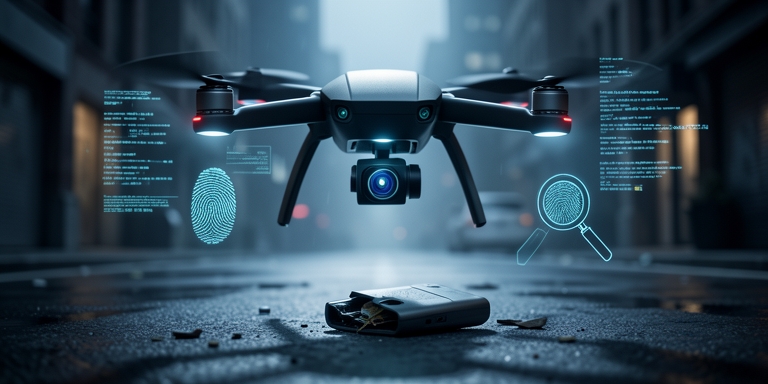
Day 14 of the Centre for Police Technology (CPT) 31-Day Cybersecurity Knowledge Series delves into the role of drone forensics in analyzing digital evidence from unmanned aerial vehicles (UAVs) to investigate criminal activities.
Drone Forensics in Cybersecurity Investigations
Drone forensics involves the systematic collection, preservation, and analysis of digital data from UAVs and their connected systems. Investigators examine flight logs, GPS coordinates, timestamps, altitude records, camera footage, device identifiers, and controller interactions to reconstruct events and identify potential operators.
Key Digital Traces from Drones
Flight logs capture takeoff and landing times, duration, altitude, and speed. GPS data maps the drone’s route, while media files like photos and videos provide visual evidence. Controller and application data reveal paired devices, account details, and operational patterns. Memory cards and internal storage may contain deleted or existing files, while network and cloud records offer insights into device connections and account activity.
Criminal Use of Drones
Criminals exploit drones for unauthorized surveillance, smuggling, reconnaissance, illegal recording, and infrastructure disruption. Drones can monitor private properties, transport contraband, gather intelligence before crimes, or capture sensitive footage for extortion. Unauthorized flights near airports, power facilities, or government buildings pose safety risks.
Evidence Handling and Legal Protocols
Proper evidence handling is critical to maintain data integrity. Forensic personnel document the drone’s condition, preserve removable storage, and acquire data using validated methods. Controllers, paired devices, and account records are examined under legal authority. Chain-of-custody protocols and documentation ensure the admissibility of evidence.
Mitigating Drone-Related Risks
Individuals can mitigate drone-related risks by protecting their privacy, securing their own devices, and reporting suspicious activity. Documenting unauthorized drone activity from a safe distance, changing default passwords, enabling multi-factor authentication, and avoiding untrusted applications are key steps. Preserving original media and communications in cases of harassment or surveillance is essential.
Organizational Best Practices
- Organizations operating drones should maintain inventory records, restrict access to authorized personnel, and log flight activity.
- Secure communication channels, strong authentication measures, and regular firmware updates are critical for sensitive operations.
- Procedures for reporting lost devices, compromised accounts, or unauthorized flights must be established.
- Coordination between physical security, IT teams, and regulatory bodies is necessary for effective incident response.
Future Challenges and Collaboration
As drones evolve with AI integration, cloud connectivity, and advanced sensors, forensic investigations will increasingly involve distributed data sources. Collaboration between digital forensics experts, aviation specialists, and cybersecurity professionals will become more important. Investigators must balance technological advancements with privacy protections, legal compliance, and evidentiary standards.
Conclusion
The Centre for Police Technology’s 31-Day Cybersecurity Knowledge Series continues to provide insights into emerging threats and investigative techniques. The series covers topics such as cybercrime, corporate fraud, digital forensics, and incident response, offering resources for professionals in the field.

About Author







 English