

Fake Job Interviews Used for Malicious Deployment of JobStealer Malware
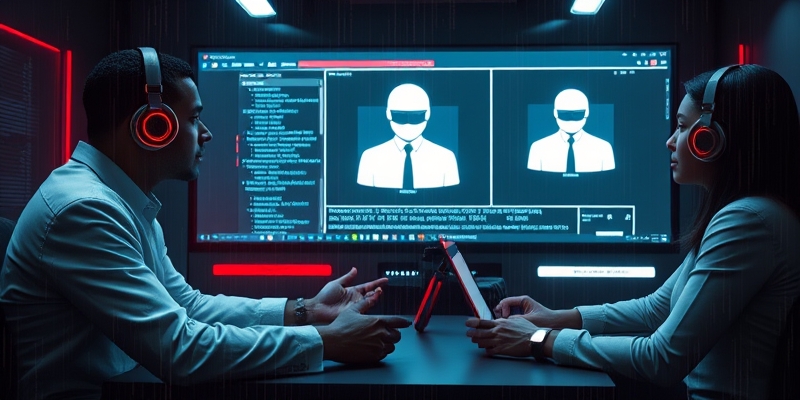
Malicious Job Interviews Expose Users to JobStealer Malware
A sophisticated cyberattack campaign has emerged, utilizing fake job interviews to install the JobStealer malware on victim devices. Scammers pose as recruiters and invite victims to online interviews via customized platforms designed to mimic reputable services such as Cisco Webex.
However, upon closer inspection, the platform’s coding reveals its true intention: to download and execute the JobStealer malware. This malware enables unauthorized access to sensitive data and allows the attackers to gain control over the compromised system.
Researchers Have Identified Variants of JobStealer
Researchers have discovered a Windows variant of JobStealer with similar capabilities, while potential variants for Linux, iOS, and Android have also been identified.
This campaign serves as a prime example of the evolving nature of social engineering tactics, which are increasingly adapting to the shift towards remote work culture.
Traditionally, phishing attacks were the primary method employed by attackers. However, this campaign demonstrates a more nuanced approach, leveraging the trust built during online interviews to install malware on unsuspecting devices.
Protecting Against These Types of Attacks
As a result, organizations must remain vigilant and educate their employees on the risks associated with remote work and online interactions.
Law enforcement agencies and cybersecurity experts are working tirelessly to combat this threat, but it remains essential for individuals and organizations to take proactive measures to protect themselves against such attacks.
By staying informed and adhering to best practices, individuals can minimize the risk of falling victim to these types of scams.