

Geopolitical Cyber Risks: HR’s Critical Role in Cybersecurity
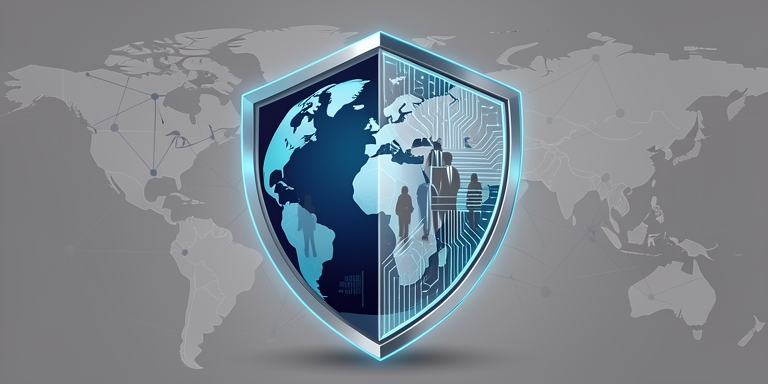
A recent analysis highlights how evolving global conflicts are expanding the scope of cyber risks, compelling enterprises to integrate geopolitical considerations into their security frameworks.
According to a presentation by Roman Sannikov, Global Research Coordinator at iCOUNTER, adversaries linked to international tensions are increasingly targeting organizations that may not have been previously perceived as high-value assets.
The Evolving Threat Landscape
The discussion emphasized that modern threat landscapes include actors whose motivations stem from regional disputes, leading to attacks that bypass traditional adversary lists. Sannikov outlined specific scenarios where threats emerge from unexpected vectors, necessitating broader monitoring protocols. These include tracking network traffic patterns to uncharacteristic geographic locations and implementing safeguards against synthetic identity fraud and AI-generated impersonation attempts.
Key Recommendations
Key recommendations from the analysis include redefining security responsibilities to involve HR departments in verifying employee authenticity, particularly in cases involving deepfake technology. Additionally, the report stressed the importance of establishing collaboration between security operations centers (SOCs) and physical security teams to address hybrid threats.
Hybrid Threats and DDoS Attacks
The presentation also addressed the use of distributed denial-of-service (DDoS) attacks as tools for influencing public perception, framing them as a form of digital opinion warfare.
Volt Typhoon and Telecommunications Infrastructure
Another focal point was the presence of Volt Typhoon, a threat group known for embedding itself within telecommunications infrastructure, creating opportunities for long-term surveillance and disruption.
Proactive Measures for Geopolitical Risks
When organizations become associated with geopolitical issues, the potential attack surface expands significantly. This dynamic requires proactive measures to identify and mitigate risks from adversaries who may exploit such connections. The analysis underscores the need for enterprises to adapt their threat models to account for the intersection of global events and cyber operations.

About Author







 English