

Gwalior Family Scammed During Medical Appointment Search; Police File FIR
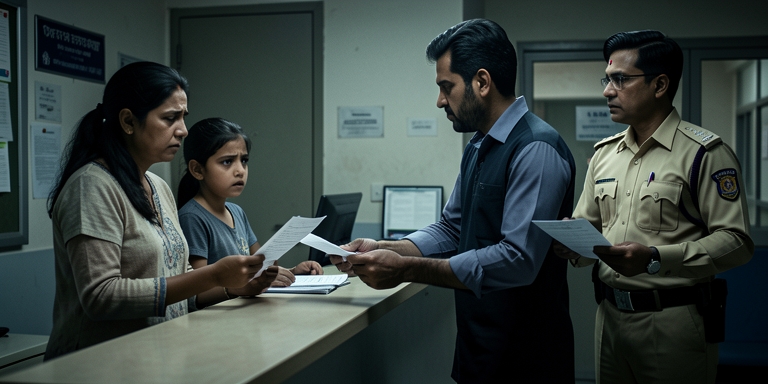
A Gwalior resident lost ₹49,997 from funds allocated under the Ladli Behna Yojana scheme after falling victim to a cyberattack involving a fraudulent medical practice listing and a malicious Android application.
Malicious APK Deployment via Search Engine Manipulation
A homemaker from Mahavir Ganj in Gwalior’s Morar district sought an online appointment for an ear, nose, and throat (ENT) specialist for an elderly family member. Unable to locate the clinic’s direct contact details, she conducted an internet search for the medical practice in the Govindpuri area. The phone number appearing at the top of search results was controlled by a cybercriminal group.
The Fraudster’s Tactics
A caller posing as a clinic administrator instructed the victim to pay a ₹1 registration fee to secure the appointment. The fraudster then sent an Android Package Kit (APK) file to her mobile device, disguised as an official appointment application. Once installed, the malicious software granted attackers access to the victim’s device credentials.
Unauthorized Withdrawals and Financial Investigations
Over the following days, the compromised device was used to execute three unauthorized bank transactions, draining ₹49,997 from the victim’s savings account. The breach was detected when the victim received alerts from her bank, prompting her spouse to immediately contact the financial institution to freeze the account.
Police and Cyber Cell Response
Local authorities, including the Morar Police Station and Cyber Cell, reported that the illicit funds were rapidly transferred through a network of intermediary accounts. A formal investigation has been initiated to trace the flow of the stolen money and identify the perpetrators.
Vulnerabilities Surrounding Welfare Direct Benefit Transfers
This case highlights systemic risks associated with digital financial systems used by recipients of Direct Benefit Transfer (DBT) schemes. Programs like the Ladli Behna Yojana distribute monthly stipends directly into bank accounts, providing critical financial support to women in Madhya Pradesh.
Cybercriminal Exploitation
However, the increasing reliance on digital platforms for managing these funds has exposed users to targeted attacks. Cybercriminals are exploiting gaps in digital literacy among rural and semi-urban populations, using tactics such as manipulated search results, phishing applications, and remote access tools to intercept sensitive information.
Experts recommend verifying the authenticity of online service providers through official channels and avoiding interactions with unsolicited communications.
Official Advisories and Recommendations
Officials from the Union Ministry of Home Affairs have repeatedly advised citizens to exercise caution when downloading unverified software or sharing personal data online. The incident underscores the urgent need for enhanced cybersecurity awareness campaigns, particularly for vulnerable demographics reliant on government welfare programs.

About Author








 English