

How to Spot the Latest Cyber Fraud Tactics via FaceTime Scams
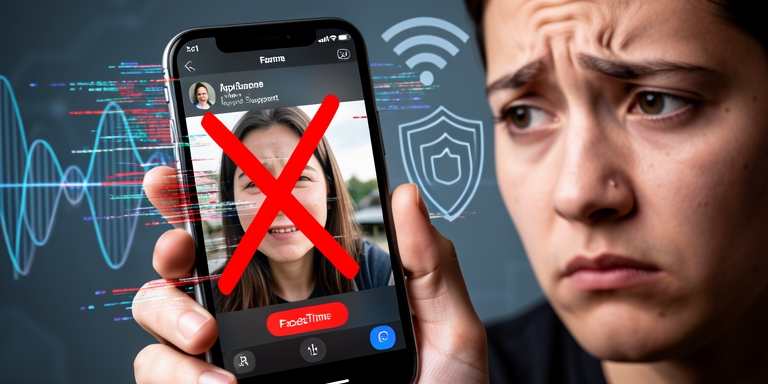
Apple warns users about a new cyber fraud method using FaceTime calls to extract sensitive information.
Understanding the New Cyber Fraud Method
Apple has issued a warning to iPhone users regarding the misuse of FaceTime video calls by cybercriminals for social engineering and financial deception. A novel cyber fraud technique has been identified, wherein attackers leverage Apple’s video calling service to extract confidential data from victims.
According to the company, fraudsters are contacting individuals under the guise of financial institutions, government agencies, or verified entities.
How the Fraud Works
These criminals often initiate contact through messages or calls, employing tactics designed to instill fear or urgency. Common claims include allegations of unauthorized account activity, security breaches, or ongoing investigations.
Exploiting FaceTime for Deception
Once victims are engaged, attackers invite them to join a FaceTime video call to further their schemes. During the call, perpetrators attempt to project an air of legitimacy, gradually coercing users into disclosing sensitive information such as login credentials, banking details, one-time passwords (OTPs), or personal identifiers.
Intimidation and Threats
In certain instances, scammers may resort to intimidation or threats, using recorded conversations or personal data to pressure victims into compliance. Apple has explicitly stated that no official organization will request sensitive information via video calls.
Apple’s Recommendations for Users
To mitigate risks, the company advises users to refrain from sharing confidential data with unverified individuals during FaceTime interactions. Additionally, Apple recommends enabling two-factor authentication (2FA) on devices and ensuring iOS systems are updated with the latest security patches.
Expert Insights on Evolving Tactics
Cybersecurity analysts highlight that video call-based fraud represents an evolution in social engineering tactics. By exploiting the perceived authenticity of face-to-face communication, attackers capitalize on human trust rather than technical flaws.
A researcher from Algoritha Security noted that cybercriminals are increasingly adopting audiovisual methods to enhance the credibility of scams, moving beyond traditional phishing techniques.
Proactive Measures and Reporting
Experts emphasize that users should verify the identity of individuals requesting sensitive information through digital platforms. As digital interaction becomes more prevalent, threat actors are likely to develop further innovations to target users.
Apple has urged users to document any suspicious FaceTime interactions by capturing screenshots and reporting incidents to the company. Such reports aid in identifying emerging scam patterns and implementing preventive strategies.

About Author








 English