

India Joins UN Cybercrime Convention to Boost Global Cybersecurity Efforts
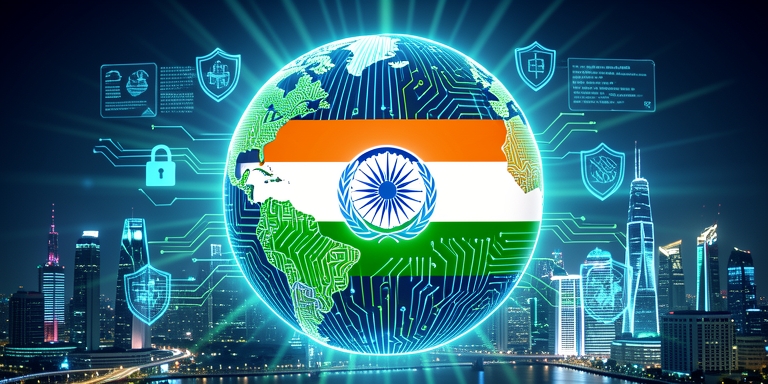
India has ratified the United Nations Convention against Cybercrime, marking a significant step toward fostering international collaboration in addressing digital offenses.
Overview of the UN Cybercrime Convention
The treaty represents the first globally unified framework designed to address the multifaceted challenges of cybercrime. It establishes standardized procedures for nations to collaborate on investigations, manage electronic evidence, and resolve jurisdictional conflicts arising from cyber offenses. The convention was formally adopted by the UN General Assembly in 2024, reflecting a collective response to the evolving threat landscape.
Reasons for India’s Participation
India’s decision to join the convention aligns with its commitment to strengthening international cybersecurity partnerships. External Affairs Minister S Jaishankar emphasized that the agreement would facilitate a more coordinated approach to combating digital threats. The treaty provides a structured mechanism for nations to address crimes that exploit the borderless nature of the internet, ensuring smoother collaboration between law enforcement agencies.
Enhancing Cross-Border Investigation Capabilities
A core component of the convention is its focus on international cooperation, particularly in handling electronic evidence tied to serious cyber offenses. Cybercriminals often operate across multiple jurisdictions, complicating traditional investigative methods. The treaty enables participating countries to overcome legal and jurisdictional barriers, allowing for joint operations and streamlined evidence exchange. This framework is critical for addressing crimes such as ransomware attacks, data breaches, and financial fraud that involve multiple regions.
Expert Perspectives on International Collaboration
Cybercrime specialists highlight the importance of the convention in bridging gaps between national legal systems. Prof. Triveni Singh, a leading authority in cybercrime and former IPS officer, noted that the agreement would expedite cross-border investigations. “Criminals leverage global networks to target victims, making it imperative for nations to share intelligence and evidence swiftly,” Singh stated. For India, the treaty could simplify efforts to trace and prosecute cyber fraud schemes involving foreign entities.
Prof. Triveni Singh, a leading authority in cybercrime and former IPS officer, noted that the agreement would expedite cross-border investigations. “Criminals leverage global networks to target victims, making it imperative for nations to share intelligence and evidence swiftly,” Singh stated. For India, the treaty could simplify efforts to trace and prosecute cyber fraud schemes involving foreign entities.
Financial Recovery Mechanisms
The convention also includes provisions for recovering assets linked to cybercrime, such as funds transferred through illicit channels. This financial dimension underscores the need for coordinated efforts to track and reclaim proceeds from digital offenses. Jurisdictional complexities often hinder asset recovery, but the treaty aims to establish protocols for international collaboration in this area.
Addressing Jurisdictional Complexities
The agreement directly targets challenges posed by the decentralized nature of cybercrime. Offenders may operate from one country, exploit digital infrastructure in another, and target victims in a third. The treaty provides a legal foundation for harmonizing investigative practices, ensuring that nations can work together to address these layered threats.
Key Implications for Cybersecurity Strategies
India’s participation in the convention signals a strategic shift toward proactive, collaborative cybersecurity measures. As cybercriminals increasingly exploit global networks, the ability to share evidence, coordinate investigations, and recover illicit gains will be vital. The treaty’s framework is expected to enhance the efficiency of law enforcement responses, ultimately contributing to a more secure digital ecosystem.

About Author







 English