

Mohali Police Raids Fake International Tech Support Call Centre; Seven Arrested
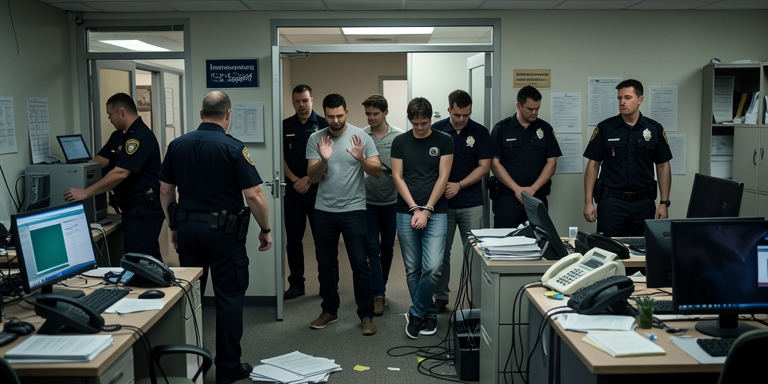
Seven individuals arrested in Mohali for orchestrating an international phishing scheme targeting users in the United States.
Mohali Police Dismantle Cyber Fraud Operation
Mohali Police have dismantled a cyber fraud operation involving seven individuals who orchestrated an international phishing scheme using deceptive digital tactics. The suspects targeted foreign users, particularly in the United States, by deploying malicious pop-ups and fraudulent support protocols to extract financial information.
Investigation Reveals Structured Network
The investigation revealed a structured network that leveraged underground servers to inject counterfeit security alerts into the devices of unsuspecting users. These alerts mimicked legitimate notifications from technology companies, creating a sense of urgency to manipulate victims into divulging sensitive data.
The Scheme’s Three Phases
The scheme operated in three distinct phases. Initially, users encountered unclosable browser pop-ups claiming their systems were compromised by malware, threatening irreversible damage. These messages falsely attributed the issue to Microsoft or Apple, prompting panic.
Call Center Operatives in Sector 78
The second phase involved redirecting victims to a fabricated helpline number, which connected them to call center operatives in Sector 78. Trained agents posed as technical support representatives, using scripted conversations to instill fear and coerce victims into sharing financial details.
Paying for “Security Repairs”
The final stage required victims to pay for “security repairs” using digital gift cards from major retailers. This method allowed the perpetrators to bypass traditional banking fraud detection systems by converting physical vouchers into cash through secondary networks.
Raid Details and Evidence Recovered
A late-night raid by specialized cyber units uncovered critical evidence at the operation’s base. Authorities seized nine high-performance laptops, ten mobile devices, and enterprise-grade networking equipment used to mask the group’s digital footprint. Investigators also recovered training materials outlining tactics to exploit vulnerable users, including elderly individuals.
Cybersecurity Warnings and Recommendations
The incident has prompted global cybersecurity agencies to reinforce warnings about unsolicited technical support requests. Official guidelines emphasize that legitimate companies do not issue full-screen alerts demanding immediate payments or direct users to unverified contact numbers. Users are advised to disregard persistent pop-ups, avoid granting remote access to unknown parties, and report suspicious activity to local cybercrime units.
Users are advised to disregard persistent pop-ups, avoid granting remote access to unknown parties, and report suspicious activity to local cybercrime units.
Conclusion
The case highlights the evolving sophistication of cross-border cybercrime, underscoring the need for heightened vigilance and international collaboration to combat digital fraud.

About Author








 English