

Scamwise: Detect Red Flags to Avoid Scams
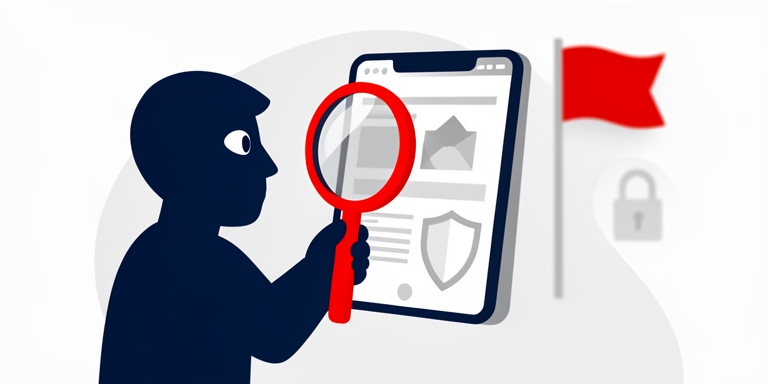
Scamwise is a free online tool developed by Savi to analyze suspicious communications, websites, phone numbers, images, and real-world scenarios for potential fraud indicators.
Product showcase: Scamwise identifies fraudulent content before users engage
Scamwise is a free online tool developed by Savi designed to analyze suspicious communications, websites, phone numbers, images, and real-world scenarios for potential fraud indicators. The platform operates through web browsers on desktop, mobile, and tablet devices without requiring user authentication. It is integrated into the Savi mobile application for iOS and Android, though the app is currently restricted to users in the United States. The service allows users to submit various forms of digital evidence, including text input, URLs, phone numbers, image uploads, incident descriptions, voice recordings, or email forwards to submit@scamwise.com. Scamwise evaluates multiple factors such as linguistic patterns, behavioral anomalies, sender metadata, hyperlink structures, domain registration history, website credibility, and phone number risk profiles. These elements are cross-referenced with threat intelligence databases and publicly available web data to generate a comprehensive assessment. The tool provides a verdict, detailed rationale, actionable recommendations, and a list of sources used in the analysis. No personal data is collected during the process, and the service does not communicate with submitters or referenced parties.
Testing Scamwise
A series of evaluations were conducted using a suspicious message impersonating a Croatian government agency, a verified corporate website, and a phone number associated with Mali. Each analysis completed within seconds, though processing times may vary based on submission complexity.
First test: Email impersonating a Croatian government agency
The first test involved an email purporting to represent a Croatian governmental entity, originating from a Spanish university domain and containing a PDF attachment. Scamwise classified it as “Definitely a scam,” citing discrepancies in the sender’s domain, the presence of a potentially malicious file, and links to known phishing activity. The tool advised against opening the attachment and recommended ignoring the communication.
Second test: Verified corporate website
A legitimate business website received a “Definitely legitimate” rating, supported by verification of the organization’s public records, industry standing, external search results, and domain reputation metrics.
Third test: Phone number associated with Mali
The phone number lookup for a Malian number yielded an “Indeterminate” classification due to insufficient data to confirm its origin or credibility. Scamwise provided cautious guidance, urging users to avoid responding to unsolicited calls and to validate unexpected contacts through alternative verified channels.
Additional headlines
- Android cybersecurity security fraud iOS
- Researchers uncover malware that uses AI to choose its next move
- Brief hijack makes Elsevier domains redirect to LAPSUS$
- Chapter II page
- The latest deepfake numbers give CISOs plenty to worry about
- Simplify security management with CIS SecureSuite Platform
- Don’t miss Researchers uncover malware that uses AI to choose its next move
- Brief hijack makes Elsevier domains redirect to LAPSUS$
- Chapter II page
- The latest deepfake numbers give CISOs plenty to worry about
- Attacker compromised nearly 1000 Zyxel switches since August (CVE-2026-7273)
- Scammers use genuine Google sign-ins to sell costly, unverified AI subscriptions

About Author







 English