

Why Context Matters in the AI Era
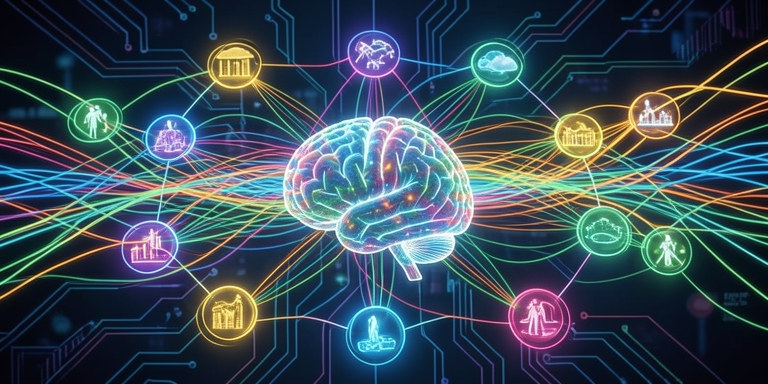
Security professionals continue to approach artificial intelligence as a simple exchange of input and output.
Traditional security frameworks fail to account for this complexity
Traditional security frameworks fail to account for this complexity, focusing instead on isolated events rather than the full scope of AI-driven workflows. Modern AI systems often operate with access to sensitive data and critical tools that would require extensive human oversight. Despite this, governance strategies remain centered on the initial request rather than the subsequent actions. This narrow focus creates blind spots, as security teams cannot assess whether a series of steps collectively pose a risk.
The security boundary must evolve to encompass the entire workflow
AI agents generate sequences of activity, such as tool calls that retrieve data, modify context, and trigger further actions. These sequences span multiple systems, including internal databases, external APIs, and automated approval processes. Without a unified view of these interactions, security teams lack the visibility needed to determine whether a workflow adhered to organizational guidelines. The initial approval of a request does not guarantee that subsequent steps were appropriate or compliant.
Correlation across workflows is another critical challenge
A single user interaction may appear harmless, but when combined with similar actions across multiple sessions or tenants, it could indicate a broader threat. AI security must move beyond isolated checks and instead evaluate patterns of behavior. This requires systems to ask not only whether an individual action is permissible but also how it fits into the larger context of related activities. Many organizations treat AI as a reasoning problem, but most security requirements are better addressed through deterministic policies.
The evolution of AI security demands a shift from fragmented oversight
The new security boundary lies not in the initial prompt but in the correlated workflows that define AI behavior. The evolution of AI security demands a shift from fragmented oversight to comprehensive, context-aware governance. As these systems continue to integrate with critical operations, the ability to trace and analyze their activities will determine the effectiveness of security strategies. This requires investing in tools and practices that provide end-to-end visibility, ensuring that AI-driven workflows align with organizational goals and risk thresholds.
Organizations that successfully navigate these challenges will not necessarily have the most detailed policy documents. Instead, they will be able to answer critical questions: What actions did the AI take? Why were those actions permitted? What prevented it from causing greater harm?

About Author







 English