

AI Data Center Expansion Impacted by Power Shortages
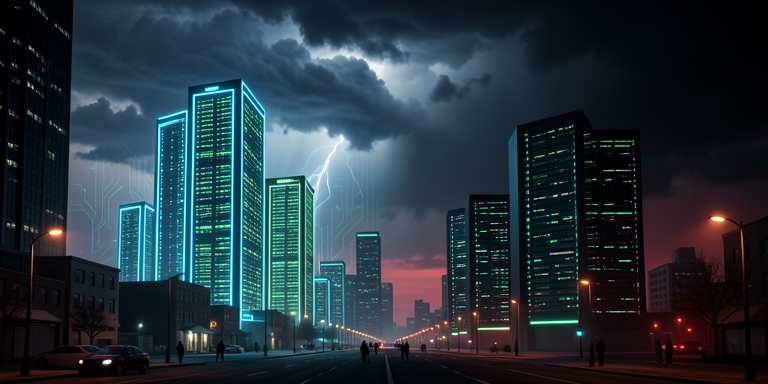
Power shortages could slow AI data center expansion AI adoption is driving higher demand for data center resources as operators face constraints related to power supply, equipment availability, land acquisition, and regulatory processes, according to NTT Data.
The Impact of Power Shortages on AI Data Centers
The availability of electricity is increasingly influencing decisions on new data center locations, the timing of capacity additions, and the pace of AI project scaling. The shift toward AI workloads is reshaping infrastructure planning. Traditional enterprise workloads distribute computing demands across numerous servers with predictable power needs, whereas AI infrastructure relies on dense clusters of GPU-based systems that consume significantly more energy and produce higher heat output. These environments necessitate high-bandwidth networking and advanced cooling solutions to ensure continuous operation. This transition is altering how new facilities are designed and developed.
Electricity Availability as a Critical Factor
Data center operators are now constructing larger campuses with enhanced electrical capacity, while enterprises evaluating AI deployments are prioritizing infrastructure readiness alongside computational resources. AI workloads are projected to occupy an increasing portion of installed capacity through the end of the decade, reflecting sustained investment in AI training and inference systems.
“AI demand is growing faster than many parts of the underlying infrastructure can keep up with,” stated Doug Adams, CEO and President of NTT Global Data Centers. “The current challenge extends beyond scaling capacity; it involves addressing operational and supply-side limitations that delay deployments and reduce the financial viability of AI investments.”
Challenges in Power Infrastructure and Supply Chains
Electricity availability is a critical factor at every stage of data center expansion. New facilities must secure grid capacity before construction can commence, even if land is secured and designs are finalized. Transmission infrastructure, substations, and grid connections all impact deployment timelines. Data centers account for approximately 1.5% of global electricity consumption, with demand concentrated in established markets where they represent 20% to 30% of local energy use. Operators are collaborating with utilities to implement demand-response programs and invest in dedicated infrastructure to manage increased electrical loads. These initiatives help utilities anticipate growth in AI infrastructure and refine long-term capacity planning.
Equipment Availability and Regional Disparities
Equipment availability is another bottleneck for deployment. Power infrastructure components such as transformers, switchgear, and backup systems involve lengthy manufacturing and installation cycles. Analysis highlights supply chain constraints, with large power transformers facing lead times measured in years and switchgear requiring extended delivery schedules. GPU availability also remains a critical dependency, creating pressure across multiple supply chain segments. Regional disparities in infrastructure readiness are becoming more pronounced. The United States maintains the largest share of global data center capacity and remains the primary market for new developments. Europe faces heightened challenges due to electricity availability, regulatory hurdles, and community approval processes, resulting in the highest infrastructure stress score among regions evaluated. The Asia-Pacific region continues expanding capacity with lower projected stress levels, supported by ongoing investments across multiple markets. These regional differences are expected to shape future AI infrastructure deployments as operators balance power availability, construction timelines, and customer demand.
Conclusion
As AI adoption accelerates, the interplay between power availability, infrastructure development, and supply chain constraints will define the trajectory of data center expansion. Addressing these challenges requires coordinated efforts among operators, utilities, and policymakers to ensure sustainable growth in AI capabilities.
Keywords
- AI cybersecurity
- data center
- energy sector
- enterprise
- NTT
- regulation
- report

About Author








 English