

AI Voice Cloning Scams: How 3 Seconds Can Lead to Fraud
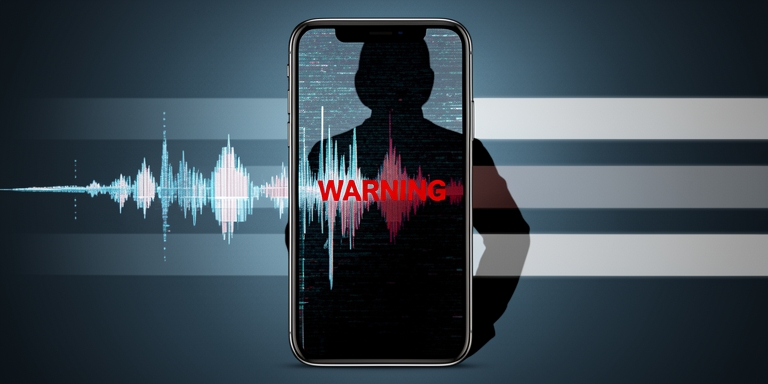
Artificial Intelligence is enabling new forms of cybercrime, with fraudsters leveraging voice synthesis technology to deceive victims.
Artificial Intelligence is enabling new forms of cybercrime, with fraudsters leveraging voice synthesis technology to deceive victims.
Attackers can exploit as little as three seconds of an individual’s audio to generate a lifelike imitation of their voice. This technique allows scammers to impersonate trusted contacts, such as family members or colleagues, and manipulate victims into transferring funds under false pretenses. The method, termed voice cloning fraud, is becoming increasingly prevalent as AI tools become more accessible.
Scammers Acquire Voice Samples and Craft Deceptive Narratives
Criminals obtain voice recordings from public sources, including social media platforms, video content, and audio files. These samples are analyzed using AI-driven voice synthesis tools, which replicate the unique tonal and phonetic characteristics of the target’s speech. Once a convincing clone is created, attackers construct scenarios designed to provoke urgency and fear. Common tactics involve fabricating emergencies, such as claims of a family member’s hospitalization, detention, or kidnapping. The fraudster then demands immediate financial assistance, often instructing the victim not to seek verification or contact others.
Emotional Manipulation as a Core Tactic
Cybersecurity experts highlight that the success of these scams hinges on psychological pressure rather than technical sophistication.
Even if the voice matches a known contact, victims are advised to verify the situation through independent channels. The presence of a familiar voice does not confirm the caller’s identity, and urgent requests for money should be met with caution.
Caller ID Spoofing Enhances Credibility
Fraudsters often use caller ID spoofing to make their numbers appear as those of trusted contacts. This technique increases the likelihood of the victim answering the call. Additionally, scammers may incorporate background sounds, such as crying or shouting, to heighten distress. Once the victim is agitated, they are pressured to send money via digital payment methods, including UPI, QR codes, or mobile wallets. After the transaction, funds are typically routed through multiple accounts to obscure the trail and complicate recovery efforts.
Preventive Measures to Mitigate Risk
Establishing a private code word with close contacts can serve as a verification method during suspicious calls. If an emergency call involves a familiar voice requesting money, the recipient should ask for the prearranged phrase. Immediate payments under pressure should be avoided, and the call should be terminated. Victims are encouraged to contact the supposed caller through a verified number rather than relying on the displayed caller ID.
Importance of Digital Footprint Management
Reducing the availability of personal audio and video content online can limit opportunities for scammers to collect voice samples. Adjusting social media privacy settings and minimizing public exposure of voice recordings are critical steps. Additionally, individuals should remain vigilant about unsolicited requests for financial assistance, especially those involving urgent deadlines.
Reporting and Legal Recourse
In India, victims of financial fraud are advised to report incidents immediately through the 1930 Cyber Crime Helpline. Further complaints can be submitted via the National Cyber Crime Reporting Portal. Suspicious communications should also be reported through the Sanchar Saathi platform. Authorities note that while voice cloning technology can mimic speech patterns, it cannot replicate the unique identifiers required to prove identity. This limitation underscores the importance of verifying emergencies through independent channels before taking financial action.

About Author









 English