

Askeal: AI Cybersecurity Assistant with Expert-Backed Answers
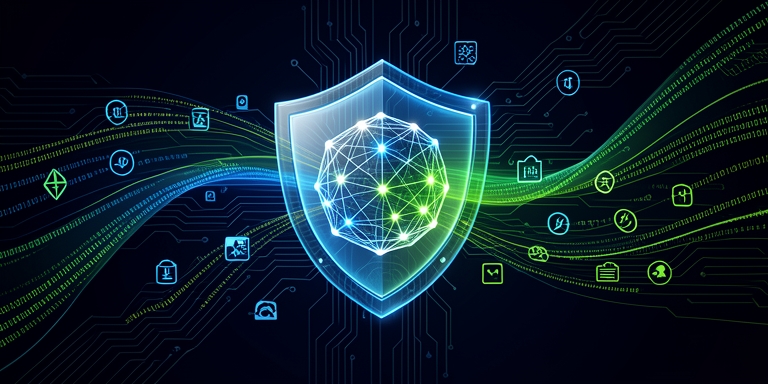
Askeal introduces a novel AI-driven cybersecurity tool combining machine learning with human expertise to deliver verified threat analysis.
Introduction to Askeal
Askeal, an AI-driven cybersecurity tool designed to deliver verified, expert-validated responses, has introduced a novel approach to threat analysis by integrating artificial intelligence with a network of cybersecurity professionals. Unlike conventional generative AI systems that claim broad knowledge, this platform emphasizes collaboration between machine learning and human expertise. Verified industry professionals, vendors, and practitioners contribute their insights and resources to support manual investigations. The company, which secured $1.1 million in pre-seed funding, has launched the tool with a global network of early adopters and contributors.
Core Functionality
Security operations center (SOC) analysts often face over 50 alerts daily requiring manual scrutiny, while IT managers navigate complex systems and tools. Users interact with Askeal through natural language queries, attaching relevant files or evidence. The system evaluates the input, cross-references it with available sources, and provides assessments backed by verifiable references. This process forms the core functionality of the platform.
Community-Driven Knowledge
Roxane Suau, co-founder of the company established in August 2025, highlights the emphasis on community-driven knowledge over AI alone. “The platform is an AI cybersecurity assistant powered by collective expertise, but the community is the defining feature,” she explains. The transparency of the system allows users to access the underlying intelligence behind each response.
“We prioritize accuracy over filler content,” Suau states. When queried about a specific Common Vulnerabilities and Exposures (CVE) entry, Askeal compiles related technical research, published proof-of-concept examples, and available patches, assigning a risk rating. It aggregates information from both private and open-source channels. If no relevant data exists, the system deliberately leaves sections blank rather than providing incomplete or inaccurate information.
Investigative Capabilities
Beyond answering questions, the tool supports investigative tasks such as log file analysis, threat detection via integrated contributor capabilities, URL, domain, and hash lookups, guidance for CVE remediation, and recommendations for secure configurations. Users can upload log files containing indicators of compromise, enabling Askeal to extract affected assets and cross-check them against its database.
Technical Framework and Validation
The platform relies on a network of over 270 vetted contributors, augmented by its technological framework. Each contributor undergoes manual verification against criteria for technical proficiency. More than 90 experts have joined the program in the past two months, joining 178 initial public sources. After human review, an AI system evaluates the quality and technical depth of submitted content.
Collaborative Response Evaluation
When a user poses a question, the platform cross-checks responses from multiple sources. Discrepancies are preserved, as conflicting assessments from credible experts provide actionable insights for analysts. Users can rate the quality of answers, combining feedback with source validation.
Partnerships and Development
The company developed its neuro-symbolic technology in collaboration with cybersecurity and AI researchers at the Montpellier Laboratory of Computer Science, Robotics, and Microelectronics. It is now commercializing the solution while advancing how generative AI can enhance cybersecurity operations. The tool complements existing security infrastructure rather than replacing it.
Market Positioning and User Base
Target customers typically use endpoint detection and response (EDR) or extended detection and response (XDR) systems with embedded AI. Suau does not require users to abandon these tools but emphasizes the broader intelligence pool available through Askeal. “The built-in assistants rely on a single vendor’s knowledge, whereas Askeal leverages the wider ecosystem,” she explains.
“The built-in assistants rely on a single vendor’s knowledge, whereas Askeal leverages the wider ecosystem,” she explains. A secondary argument addresses market claims about AI-driven SOC automation. Vendors assert they resolve 70 to 85 percent of tickets without human intervention, but practitioner forums report limited success. Manual investigations remain critical, with some managed security providers reporting analysts handling 50 or more alerts daily. This gap represents the platform’s target market.
Future Vision and Commercial Strategy
Long-term, Suau envisions Askeal enhancing automated SOC platforms by providing enriched data. Currently, it directly supports individuals conducting investigations. The platform’s beta, launched in February 2026, aimed to recruit 300 testers within three months but achieved 500 in 2.5 months. The team sourced testers through direct outreach, using feedback to refine features and prioritize improvements.
User Demographics and Reach
SOC analysts constitute roughly half of the early user base, alongside IT managers, security engineers, and administrators handling security tasks without specialized training. The community spans 69 countries and 14 roles across IT and security. Commercially, the focus is on mid-sized organizations and managed security providers requiring additional capacity or specialized expertise.
Monetization and Accessibility
The platform offers a freemium model, with paid plans introducing revenue-sharing for contributors based on usage. While free access allows basic queries, a free account provides expanded capabilities. The free tier will remain alongside paid options, offering an opportunity to test the tool with specific domains, log files, or CVE entries.
Conclusion
Askeal addresses gaps in threat intelligence, SOC operations, and AI-driven cybersecurity by combining verified human expertise with AI-driven analysis. Its community-centric approach and focus on accuracy position it as a valuable tool for modern cybersecurity challenges.
Frequently Asked Questions
-
How does Askeal ensure accuracy? Askeal leaves sections blank if no relevant data exists, prioritizing accuracy over filler content.
-
Who can use Askeal? It targets SOC analysts, IT managers, security engineers, and organizations needing specialized cybersecurity expertise.
-
What makes Askeal different from other AI tools? It combines AI with a global network of verified cybersecurity professionals, emphasizing community-driven knowledge.

About Author







 English