

Google Transforms Android Studio into Policy Enforcement Tool
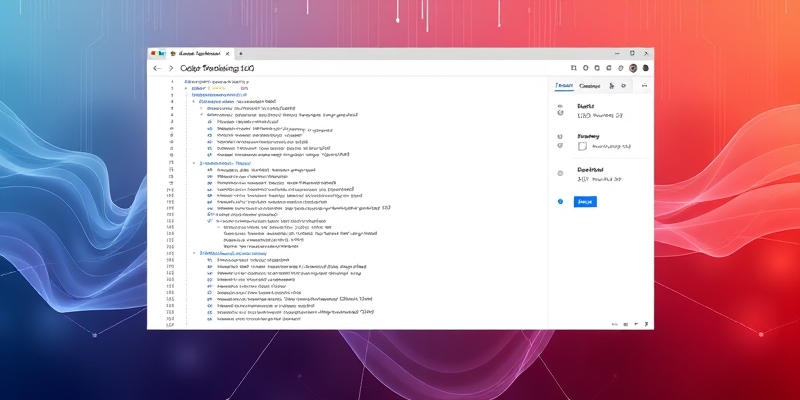
Google Enhances Android Studio with Policy Enforcement Features
In a bid to bolster application security and compliance, Google has introduced a range of policy-related features within its Android Studio integrated development environment (IDE).
Detecting and Addressing Potential Issues Early On
Developers can now leverage these capabilities to detect and address potential issues early in the development process, thereby reducing the likelihood of policy infractions and app store rejection.
Play Policy Insights Module Enhanced
Connecting to Play Developer Account Directly
By connecting their Play developer account directly to Android Studio, developers can access tailored insights that highlight specific areas of improvement, based on the company’s extensive knowledge of Android Software Development Kits (SDKs).
Leveraging Comprehensive SDK Index Database
The updated Play Policy Insights module leverages the comprehensive SDK Index database, which contains detailed information on available SDKs, including permissions, developer details, and Google Play registration status.
Combating Online Abuse and Protecting User Data
To combat increasingly sophisticated forms of online abuse and protect user data, Google is enhancing its Play Integrity API to enable faster fraud and abuse detection.
Privacy-Enhancing Measures Introduced
Additionnally, the company is introducing various privacy-enhancing measures, including the contact picker and location button, aimed at strengthening user data protection standards.
Post-Quantum Cryptography Integration Planned
Moreover, Google is planning to integrate post-quantum cryptography into its Play App Signing mechanism later this year, providing an added layer of protection against potential quantum computing-based attacks.
Optimized App Review Process
The company has also made significant strides in optimizing the app review process within the Play Console.
Expanded Pre-Review Checks
These enhancements focus on expediting the submission and approval phases for developers, making it possible to publish apps more efficiently.
New Tools Facilitating Smoother Release Management
Key improvements include the introduction of expanded pre-review checks, designed to identify common policy violations early on, such as unnecessary photo permission requests.
Release Status API for Monitoring Approvals
Additionally, new tools will facilitate smoother release management, including a release status API for monitoring approvals and a feature that prevents new commits during an ongoing review process.
Parallel Publishing Capabilities Planned
Later this year, Google intends to roll out parallel publishing capabilities, allowing reviews on one testing track to no longer delay updates on another.
Submission History Log for Tracking App Review Activity
Other notable features include a Submission History log for tracking app review activity and secure account transfer tools for safe app ownership transfers.
Investment in Play Academy Training and Support Resources
Furthermore, the company is investing in Play Academy training and support resources to cater to newer developers, aiming to equip them with the necessary skills and knowledge to navigate the complexities of app development and publishing.
Commitment to Maintaining a Secure and Compliant App Ecosystem
These enhancements demonstrate Google’s commitment to maintaining a secure and compliant app ecosystem, fostering trust among users and developers alike.

About Author









 English